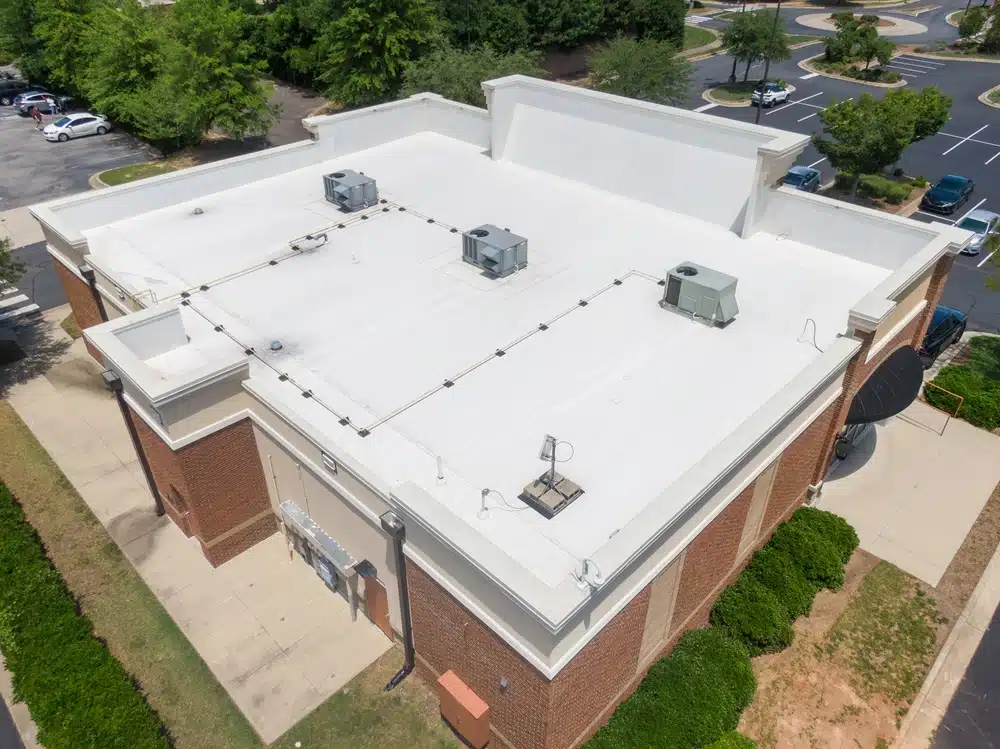
• Assess current roofing for signs of wear and energy inefficiency
• Explore heat reflective materials and technology for cooler, cost-effective commercial spaces
• Find professional roofing contractors experienced in heat reflective roofing installations
Recognizing the Need for Energy-Efficient Roofing
As the summer sun beats down on Apopka, FL, it’s crucial for businesses to assess their commercial roofing systems for signs of inefficiency. An increase in indoor temperatures despite a consistent use of air conditioning can often be the first tell-tale sign that your roofing is underperforming. Constant exposure to intense heat can degrade roofing materials over time, leading to cracks and discoloration which hint at the need for an upgrade. Spotting these early signs of wear and tear is the first step towards considering heat reflective solutions that could provide significant energy savings and enhanced comfort.
Evaluating Your Roof’s Current Condition
A closer inspection may reveal more nuanced indicators, such as irregular energy bills that suggest your roofing material is absorbing too much sunlight. This not only strains your HVAC system but inevitably leads to spiraling costs that hurt your bottom line. It is essential to conduct a thorough evaluation, particularly looking for faded areas or the breakdown of the roofing surface, which are strong indicators of a roof’s diminishing reflective abilities. Identifying these issues beforehand will streamline the decision-making process when exploring heat reflective commercial roofing options.
Understanding the Role of Reflective Roofing
Educating oneself about the benefits and workings of heat reflective coatings is an integral step in this preparatory phase. These advanced materials are designed to deflect UV rays, reducing the heat absorbed by roofing materials, and, by extension, the temperature within the building itself. In Apopka’s sultry August climate, a reflective roof can be a game-changer, keeping the premises cooler and reducing reliance on air conditioning systems. Knowledge of this technology will pave the way for informed discussions when consulting with roofing contractors experienced in installing these innovative systems.
Choosing the Right Materials for Optimal Performance
Understanding the different materials available for a heat reflective roofing system is crucial in Apopka’s tropical climate. The right choice can mean the difference between a roof that merely looks good and one that performs exceptionally by reflecting a significant portion of the sun’s rays. From cool roofing shingles that offer a modern aesthetic to advanced elastomeric coatings that provide an added layer of protection, materials matter greatly. Investing in premium-quality reflective tiles or shingles will not only enhance your building’s efficiency but also contribute to its overall value and appeal to both customers and employees alike.
Maximizing Savings with Energy-Efficient Roofing
It’s not just about staying cool; it’s about being cost-effective. By utilizing energy-efficient roofing solutions, businesses in Apopka can see a significant reduction in their cooling costs during the heat of summer. Online calculators or consultations with experts can pinpoint the potential savings, translating to real dollars that favorably impact your budget. Beyond the financial benefits, choosing the right reflective materials also means a reduced carbon footprint, casting your business as a community leader in sustainability and environmental responsibility.
Step 1: Assess Your Commercial Roofing Needs
Before delving into heat reflective roofing options, evaluate your current roofing system’s health. Search for signs of aging or damage that could affect the performance of a new heat reflective layer.
Step 2: Understand Heat Reflective Roofing Technology
Learn how heat reflective coatings work to reduce thermal transfer, thereby keeping your building cooler in the summer heat and lowering your energy costs.
Step 3: Research Local Roofing Contractors
Look for licensed roofing professionals in Apopka, FL, with experience in installing heat reflective commercial roofing systems.
Step 4: Consider the Right Materials
Investigate various reflective materials like cool roofing shingles, reflective tiles, or elastomeric coatings that align with your commercial roofing needs.
Step 5: Calculate the Potential Energy Savings
Utilize online calculators or consult with a roofing expert to estimate the energy savings your commercial building might realize with a heat reflective roof.
Step 6: Plan Your Roofing Project
Once you decide on the heat reflective system, plan the project’s timeline, considering weather conditions in the Summer months of Apopka, FL.
Step 7: Installation
Supervise the installation process to ensure that the heat reflective material is applied correctly, maximizing its efficiency and lifespan.
Step 8: Regular Maintenance and Assessment
Set up a regular maintenance schedule to inspect and maintain your heat reflective roofing to ensure ongoing efficiency and longevity.
Avoid These Common Mistakes When Upgrading Your Roof
Embarking on the upgrade to a heat reflective commercial roofing system is a significant investment, and while the benefits are considerable, the path is riddled with potential pitfalls. Homeowners often find themselves in over their heads when trying to navigate the complexities of roofing technologies and materials. This introductory guide will help you avoid common errors that could jeopardize both the effectiveness of the roofing solution and your finances.
Mistake 1: Neglecting Roof Assessment
Failing to properly assess the current state of your roof is a gamble that can lead to poor decisions about your roofing needs.
Mistake 2: Overlooking Roofing Technology
Many individuals underestimate the science behind heat reflective materials, leading to a mismatch between roofing technology and building requirements.
Mistake 3: Underestimating the Importance of Professional Expertise
Choosing to bypass professional services for a DIY approach can result in installation errors, safety hazards, and ultimately a less effective roofing system.
Mistake 4: Choosing Materials Based Solely on Cost
Opting for cheaper materials to save on upfront costs can lead to higher expenses down the line due to increased maintenance and energy bills.
Effective Planning for a Successful Installation
When it comes to installing a heat reflective commercial roofing system, timing and planning are everything, especially in the hot month of August in Apopka, FL. Coordinating the installation schedule with your chosen contractor to avoid the rainiest days can save time and ensure a smooth operation. Considering the weather conditions and local climate is essential to avoid any setbacks that could impact the integrity of the roofing project.
Ensuring Quality in Installation
The key to capitalizing on the benefits of your new roofing is a quality installation by a professional service. Close supervision during the installation process helps ensure that every inch of the roofing material is correctly applied. It’s an investment in your building’s future, preventing potential issues and reinforcing energy efficiency for years to come.