Metal Roof Maintenance
Metal roofing has become a popular option for commercial buildings because it lasts decades, reflects heat and is often made from recycled materials. A properly installed metal roof can endure 40–70 years—but it isn’t maintenance‑free. Seasonal inspections, cleaning and prompt repairs help keep the roof watertight, attractive and energy‑efficient. This article explains why metal roof maintenance matters and outlines practical tasks you can do—or have a professional do—to keep your roof performing at its best.
Why Maintain a Metal Roof?
- Longevity and cost savings – Regular maintenance helps prevent minor issues from turning into expensive repairs. A well‑maintained roof not only avoids early replacement but also protects insulation and the building’s structure.
- Energy efficiency – A clean metal roof reflects sunlight more effectively, improving indoor comfort and reducing cooling costs. Clearing debris and maintaining coatings also prevent heat buildup. Learn more about how to upgrade your roof for energy efficiency and savings here.
- Appearance and property value – Dirt, algae or dents detract from curb appeal. Periodic cleaning and paint touch‑ups keep the roof looking sharp and can even boost resale value.
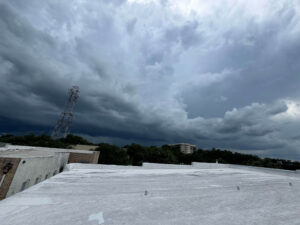
- Weather resilience – Properly sealed seams, tight fasteners and intact coatings help the roof stand up to heavy rain, high winds and, in colder climates, snow and ice.
Routine Maintenance Tasks
1 ▪ Inspect the Roof Twice a Year
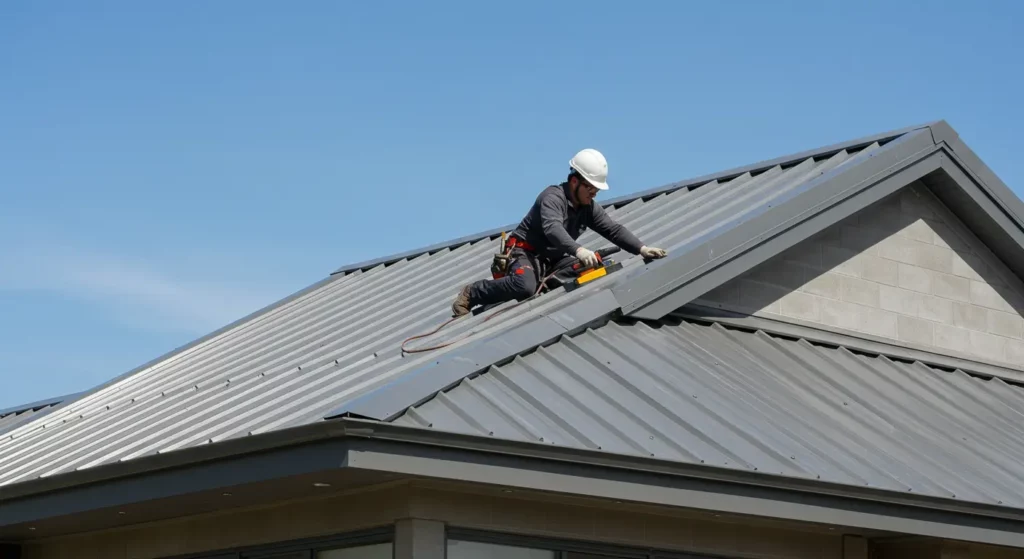
Experts recommend inspecting a metal roof once or twice a year, especially after severe weather. During an inspection:
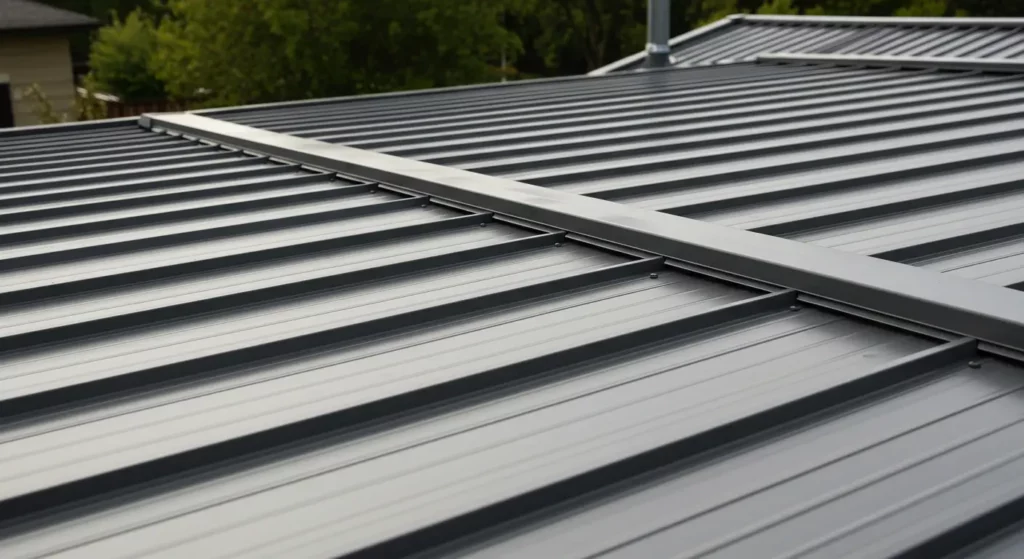
- Look for dents, scratches, loose panels or seam separation. Standing‑seam roofs in particular rely on tight seams to remain watertight.
- Check for rust spots and treat them promptly. Rust compromises the metal’s integrity; use a rust‑inhibiting primer and paint designed for metal.
- Inspect the fasteners. Metal fasteners can loosen over time due to thermal expansion and contraction. Tighten any loose screws or bolts.
- Examine flashing and penetration points around chimneys, vents, skylights and solar panels. Damaged or missing flashing should be replaced because it directs water away from vulnerable areas.
2 ▪ Clean the Roof Surface
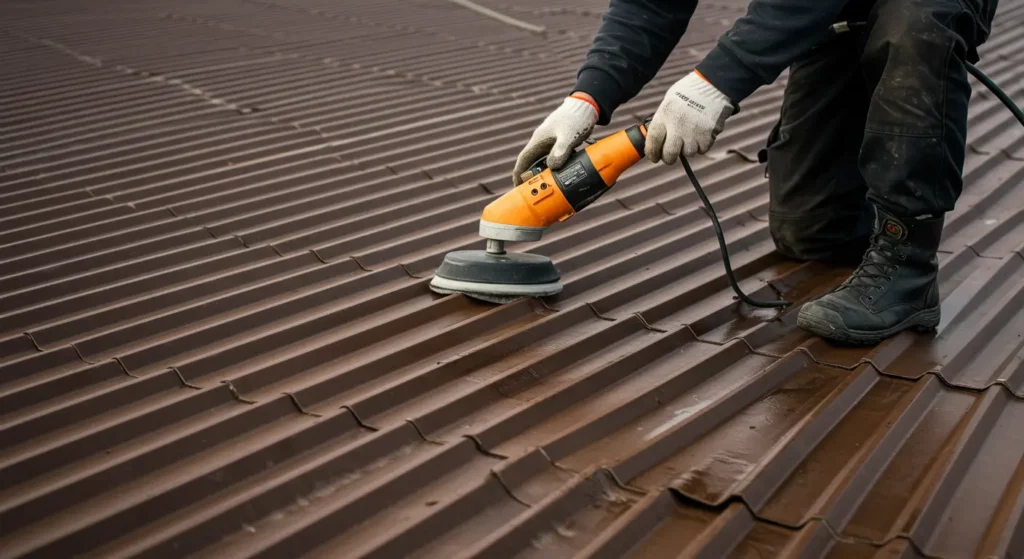
Dirt, leaves and algae can trap moisture and degrade paint finishes. Cleaning keeps the roof reflective and prevents corrosion. When cleaning:
- Remove loose debris by hand or with a soft‑bristle brush. Corrugated roofs trap leaves and twigs in their grooves, so pay extra attention to these areas.
- Wash the panels using mild dish soap and water or a commercial roof‑cleaning solution. Apply with a soft brush or a microfiber cloth; rinse thoroughly to remove residue. Avoid abrasive tools that could scratch the protective coating.
- Pressure washing is possible but should be done with light pressure and the proper nozzle. Too much pressure can damage the coating; hiring a professional may be safer.
3 ▪ Keep Gutters and Drains Clear
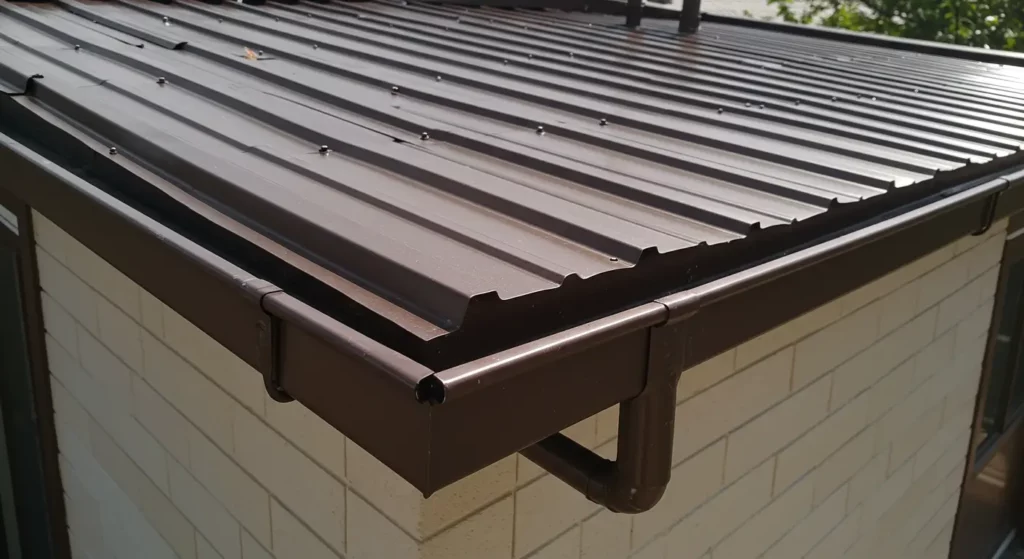
Clogged gutters and downspouts cause water to pool on the roof, leading to rust and leaks. Clean gutters at least twice a year:
- Remove leaves and debris from gutters and downspouts so water can flow freely. Use a scoop, garden hose or leaf blower, and inspect the gutter slope for proper drainage.
- For properties with heavy foliage, consider gutter guards to reduce future clogs.
4 ▪ Trim Overhanging Trees and Remove Debris
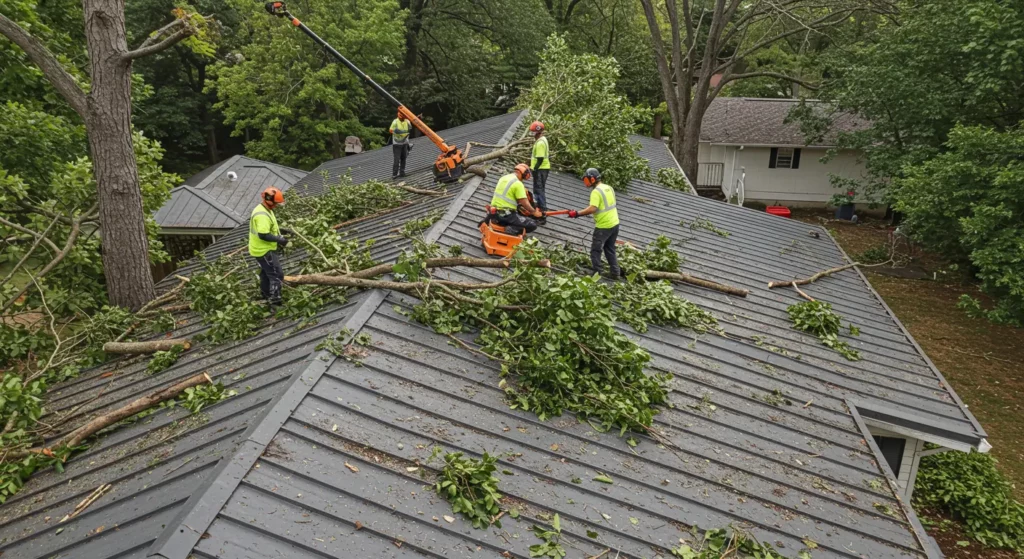
Branches that hang over a roof drop leaves and twigs and can scratch the metal during storms. Keep tree limbs five to ten feet away from the roof to minimize debris and prevent impact damage. Regularly remove any branches, leaves or other debris from roof valleys and around vents.
5 ▪ Monitor Seams, Fasteners and Coatings
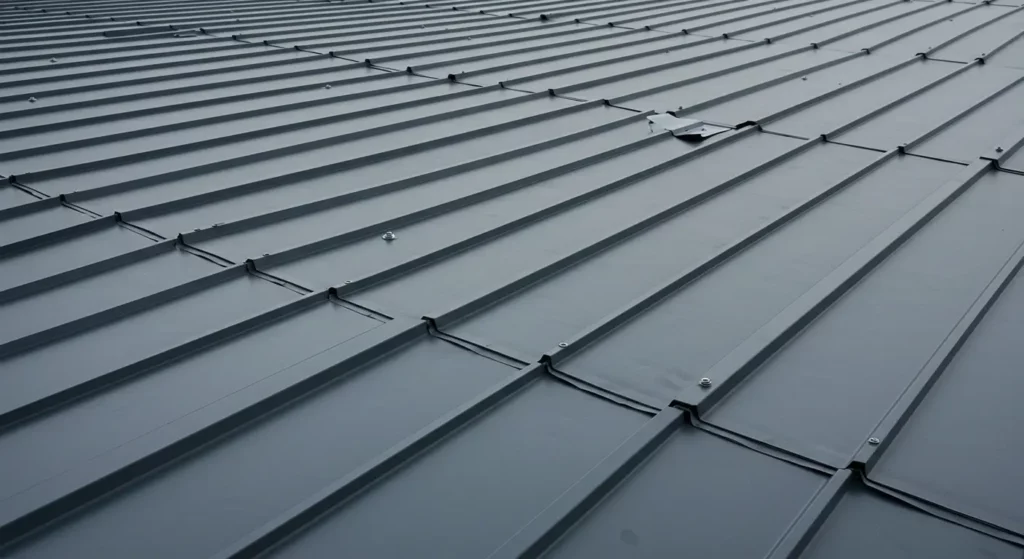
Metal roofs expand and contract with temperature changes; these movements can loosen screws or stress seams. To prevent leaks:
- Tighten or replace loose fasteners during your biannual inspection. Use a torque wrench if possible to meet manufacturer specifications.
- On standing‑seam roofs, check that concealed fasteners are secure and that the seams have not separated.
- Reapply sealants or protective coatings every five to ten years, or as recommended by the manufacturer. Coatings and sealants provide an extra barrier against UV radiation and moisture; even the best materials (slate, tile or metal) benefit from this layer.
- Touch up paint if you notice scratches or fading. Applying a metal primer and paint can repair small blemishes and help prevent rust.
6 ▪ Address Rust and Minor Damage Promptly
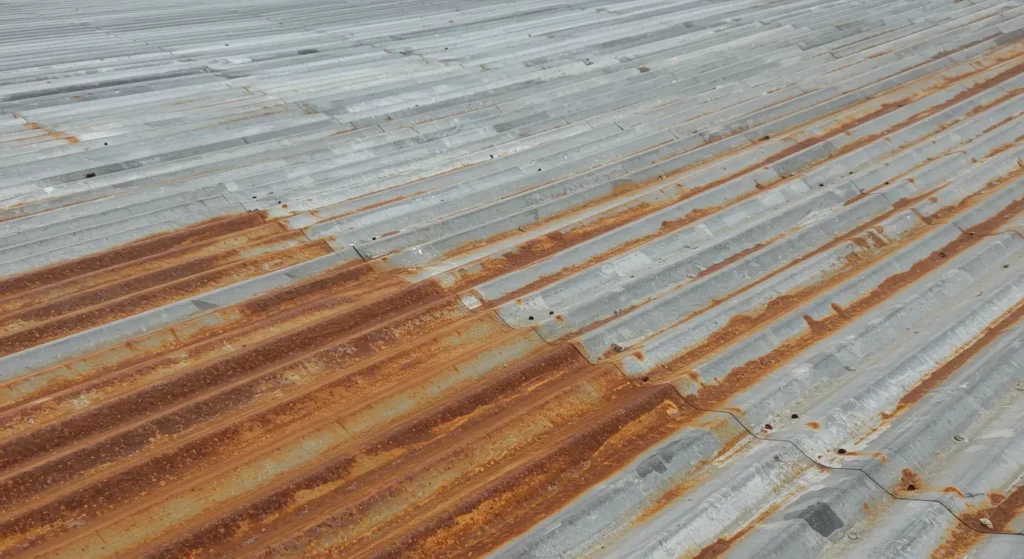
Rust or minor physical damage can spread quickly if left untreated. At the first sign of issues:
- Lightly sand or scrub rust spots, rinse the area, then apply a metal primer and touch‑up paint. Avoid wire brushes, which can scratch or corrode metal.
- Replace or repair loose flashing, dents or scratches—particularly along the edges of metal shingles or tiles—to prevent water intrusion.
7 ▪ Prepare for Winter and Remove Snow and Ice
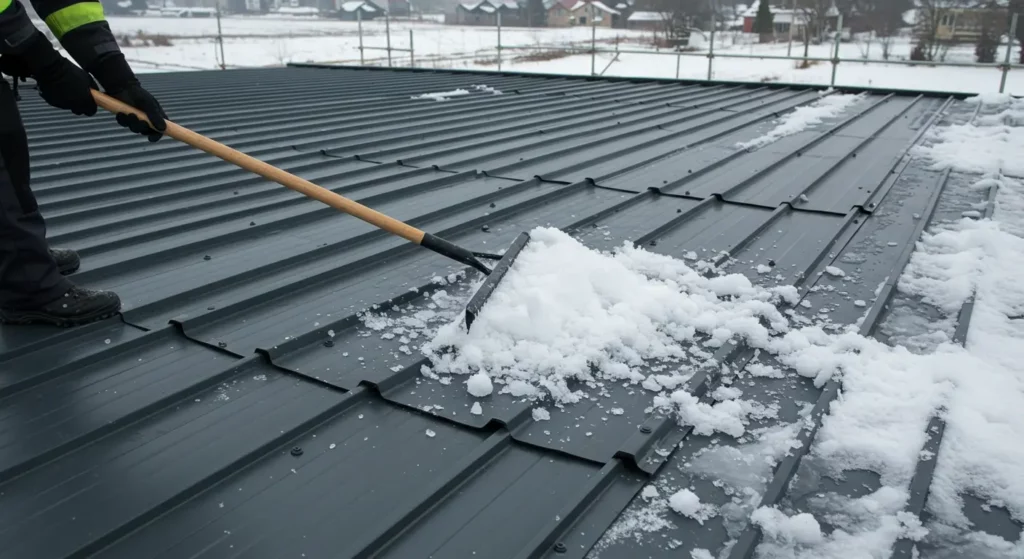
In regions with cold winters, snow and ice can stress a metal roof:
- Remove snow using a soft roof rake or long‑handled broom to prevent ice dams. Avoid metal tools that could scratch the coating.
- Ensure your attic is well insulated and ventilated, which reduces ice dam formation.
8 ▪ Stay Safe and Know When to Hire a Professional
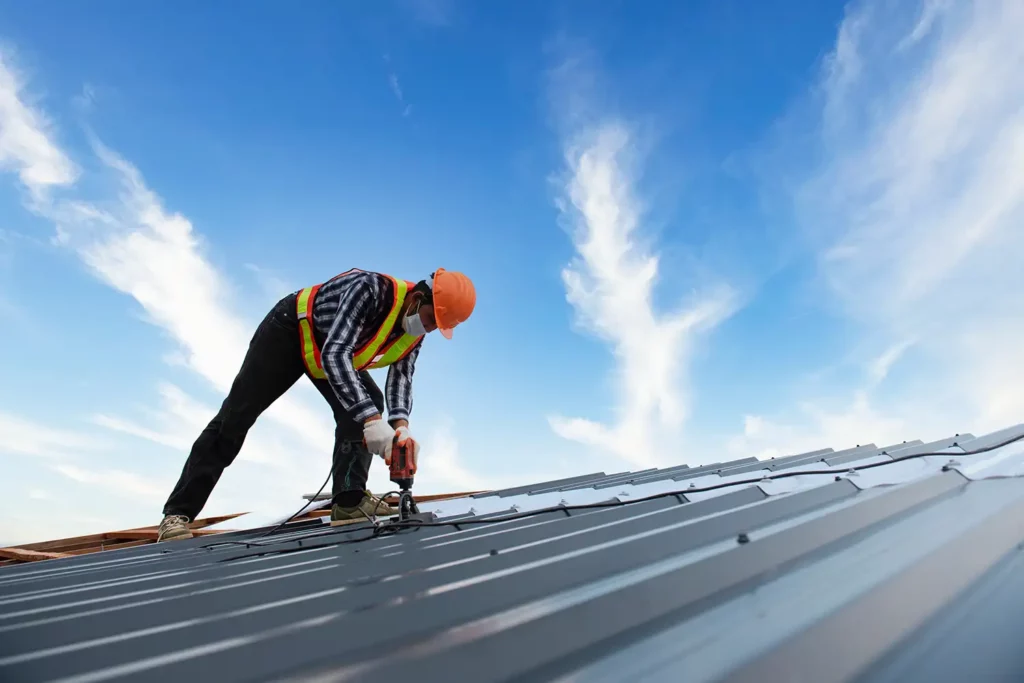
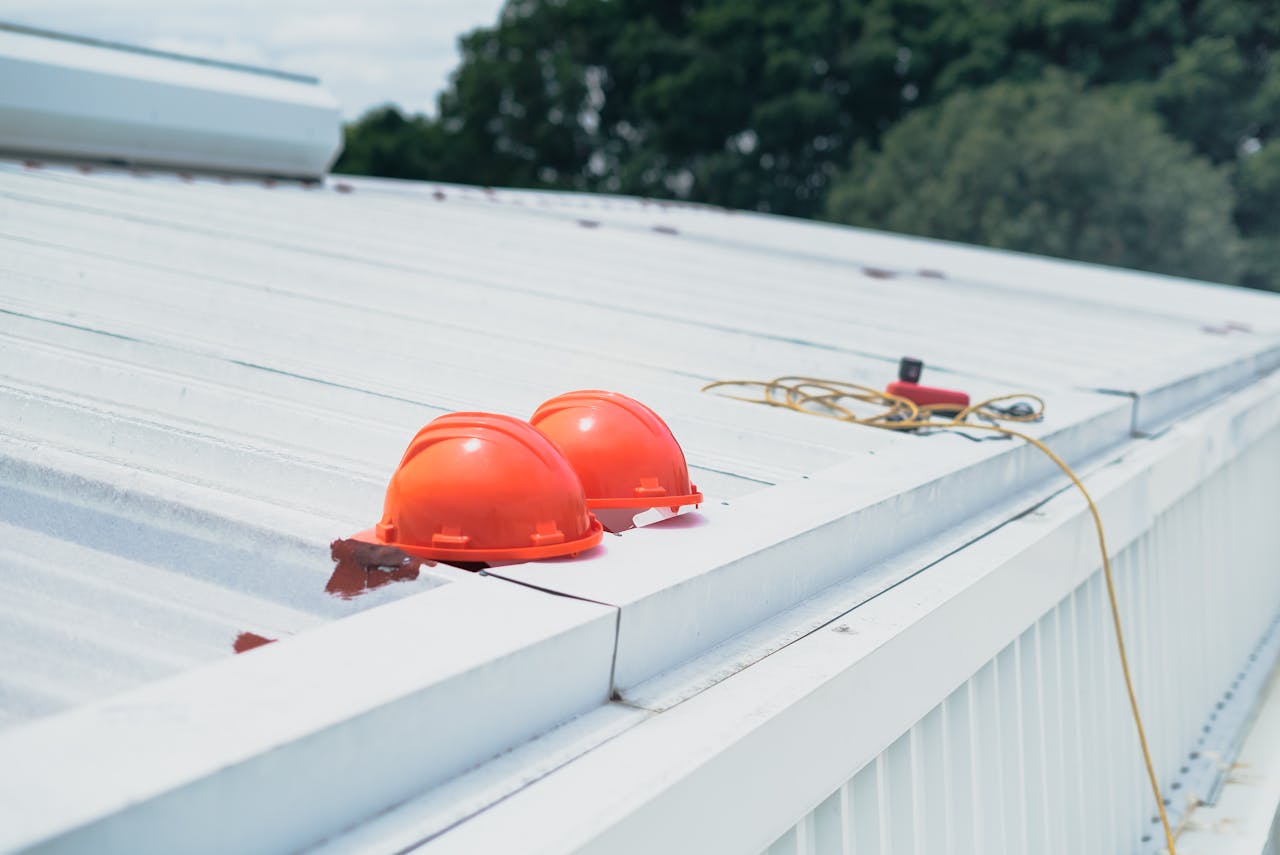
Working on a roof can be hazardous. Always use proper safety gear, including non‑slip footwear, a harness and fall‑arrest system. If you feel uncomfortable climbing onto a roof, hire a professional. Call a roofing contractor when:
- You need to walk on a steep or slick roof; professionals have the equipment to do so safely.
- There is severe or persistent damage, such as major leaks, extensive rust or structural problems.
- The roof requires recoating or complex repairs, like replacing large sections of panel or fixing concealed fasteners.
Special Considerations for Different Metal Roof Styles
Metal roofs come in several configurations, and each style has unique maintenance needs:
| Metal roof style | Maintenance focus | Why it matters |
| Standing‑seam panels | Check concealed fasteners and seal seams. Reapply sealant as needed. | Seam separation can lead to leaks; concealed fasteners can loosen over time. |
| Corrugated metal | Remove debris from grooves and valleys. | Leaves and twigs trapped in the corrugations hold moisture, which promotes rust. |
| Metal shingles or tiles | Inspect individual pieces for curling or wear at the edges; replace damaged shingles promptly. | Metal shingles can loosen or curl, allowing water penetration. |
| Stone‑coated or coated steel | Examine the coating for chips or cracks and recoat when necessary. | A damaged coating exposes metal to rust and reduces aesthetic appeal. |
Metal roofs are prized for their durability, energy efficiency and timeless appearance, but they still need care. By inspecting your roof regularly, keeping it clean, clearing gutters, trimming trees and addressing minor issues quickly, you can extend its life by decades. Routine maintenance reduces the likelihood of costly repairs, maintains your home’s energy performance and preserves the roof’s visual appeal. Whether you do it yourself or hire a qualified professional, a little preventative attention now keeps your metal roof strong, watertight and beautiful for years to come.