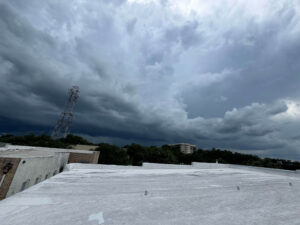
As the 2025 storm season unfolds, proactive property owners and facility managers understand that a storm-ready commercial roof is a business imperative. Today’s roofing technology has moved beyond traditional shingles and membranes, offering cutting-edge solutions for enhanced resilience and peace of mind.
1. Smart roofing systems and IoT integration
The days of manual roof inspections are rapidly becoming a thing of the past. Smart roofs incorporate embedded sensors and artificial intelligence (AI) to provide real-time monitoring and predictive maintenance, making your roof an active part of your building’s defense.
- Continuous monitoring: Sensors track moisture levels, temperature fluctuations, and structural integrity, identifying potential leaks or weaknesses long before they become visible.
- Predictive maintenance: Using data analytics, AI can forecast when maintenance or replacement might be needed, enabling you to budget and plan proactively to avoid costly surprises.
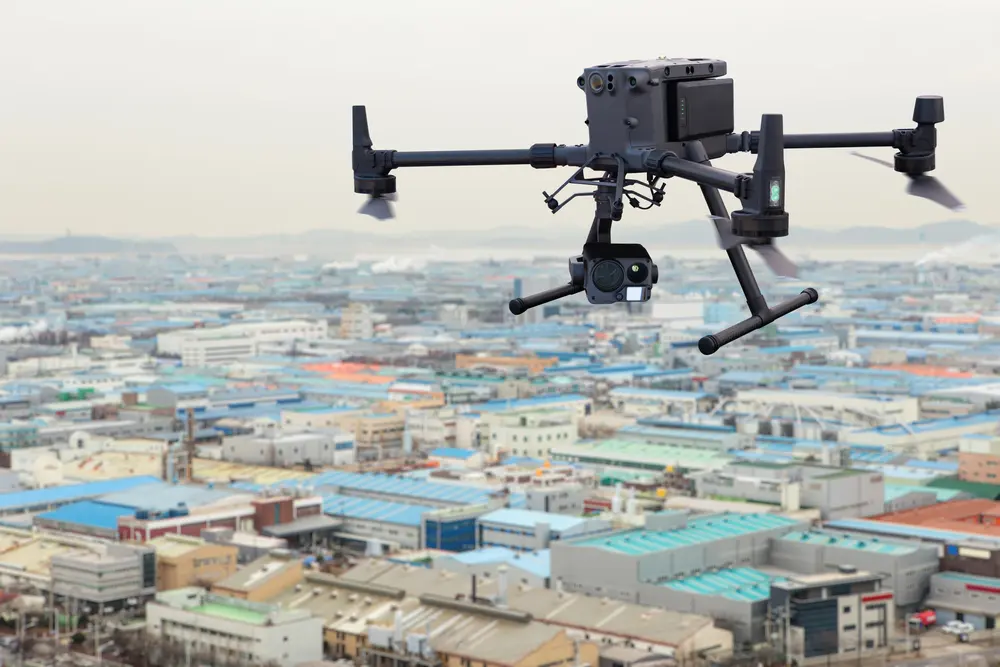
- Drone inspections: AI-powered drones with thermal and high-resolution cameras provide fast, safe, and accurate roof inspections, even after severe weather.
2. Advanced coatings and self-healing membranes
New, durable coatings and self-healing materials are adding an extra layer of protection against the elements.
- Self-healing polymers: Microscopic capsules within some new roofing membranes contain healing agents that are activated when the material is damaged. They automatically seal minor cracks and tears caused by debris or structural stress, extending the roof’s lifespan.
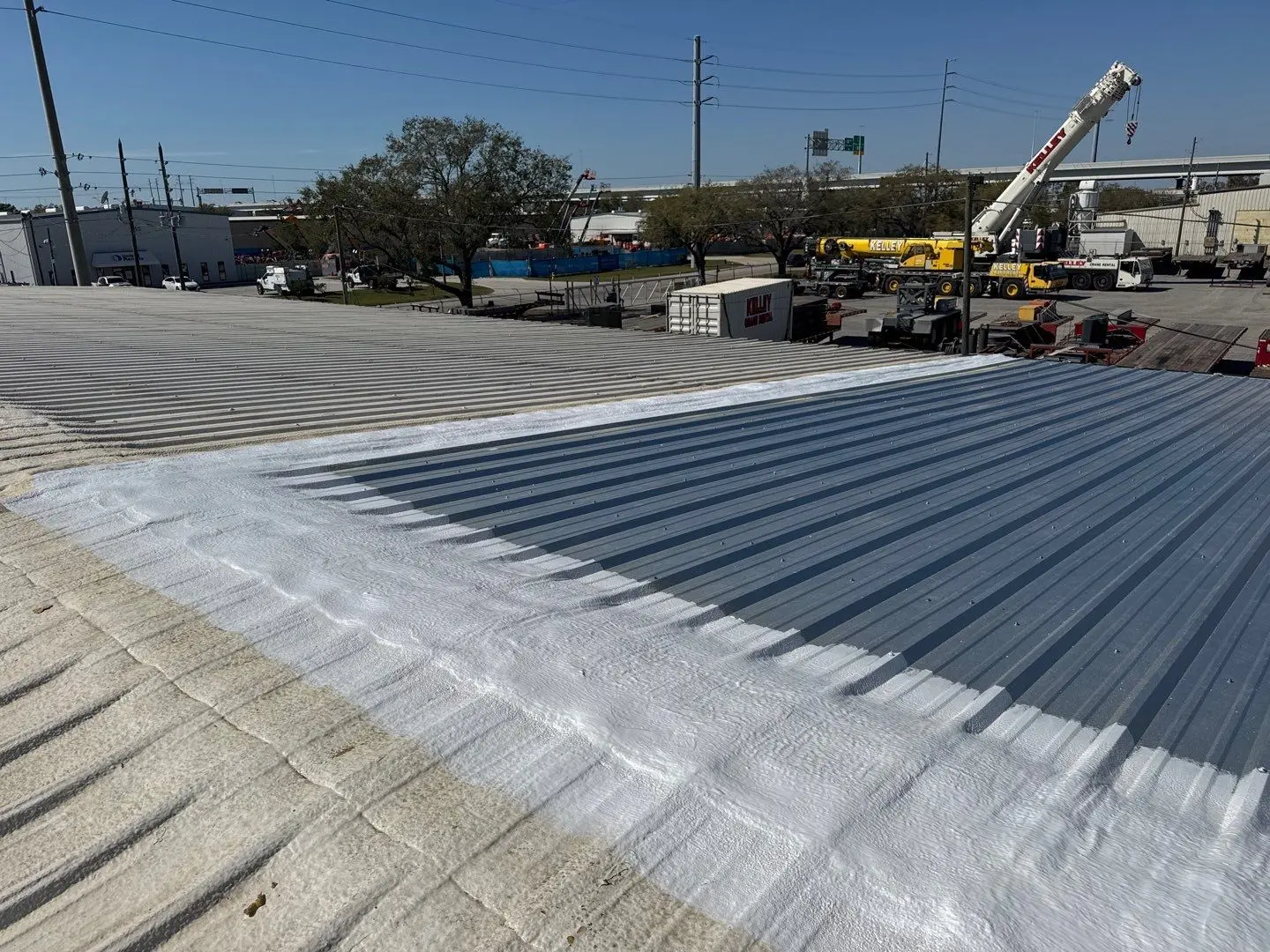
- Advanced coatings: High-performance silicone and acrylic coatings offer superior waterproofing and UV resistance. They are ideal for revitalizing aging flat roofs at a fraction of the cost of a full replacement, enhancing durability and long-term weather resistance.
3. New and improved materials for maximum durability

The core of a storm-resistant roof is its material, and manufacturers continue to develop stronger, more resilient options.
- Thermoplastic (TPO) and Polyvinyl Chloride (PVC) membranes: Reinforced with scrim layers, these materials are heat-welded at the seams to create a single, continuous, and highly durable surface. High-quality KEE-based membranes offer superior puncture and tear resistance, an important feature when facing flying debris.
- Impact-resistant shingles: Modern composite and synthetic shingles are engineered with advanced polymer blends and fibers to earn a Class 4 impact resistance rating. This is the highest level of protection against hail and wind-driven debris.
- Stronger metal roofing: Metal roofs, already known for their resilience, now feature enhanced coatings that resist corrosion and UV damage. Interlocking panel systems provide added wind uplift resistance.
Protect your building with industry-leading defenses — CES Roof offers Category 5 hurricane–resilient roofing services designed for the most extreme conditions. Learn about our specialized solutions here: Category 5 Hurricane Roof Services
4. Siphonic and smart drainage systems
Effective water management is critical for flat commercial roofs, especially during torrential downpours. Innovations in drainage technology prevent water from pooling and causing structural stress or leaks.
- Siphonic roof drainage: By creating a pressurized system, siphonic drains maximize discharge capacity with smaller pipes. This technology efficiently removes large volumes of water, minimizing the risk of overflow and structural damage during extreme rainfall.
- Smart drains: These drains utilize real-time weather forecasts and sensors to optimize water retention and release. They can be integrated across multiple rooftops to create a network that manages stormwater runoff and reduces the burden on local sewer systems.
5. Enhanced installation techniques

Even the best materials require expert installation to reach their full storm-resistant potential.
- High-strength adhesives: Advanced adhesive systems create a stronger bond between the roofing material and the underlying structure, preventing detachment during high winds.
- Enhanced fasteners: Hurricane clips and improved nailing patterns provide additional security, locking roofing materials more firmly in place.
- Prefabricated systems: For single-ply membranes like PVC, up to 85% of the seams can be completed in a controlled factory environment. This minimizes on-site work and reduces the risk of leaks associated with fabrication errors.
Investing in the future
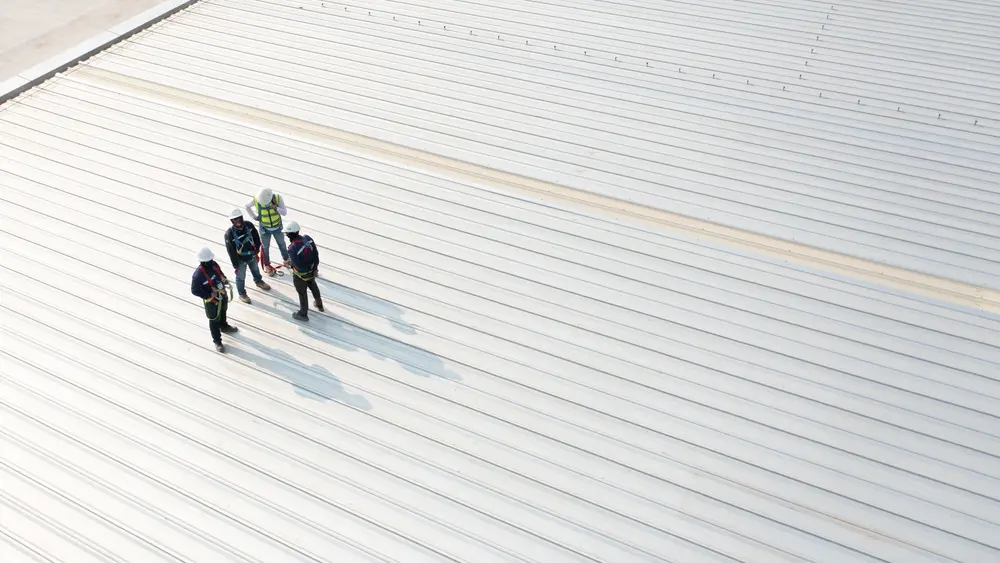
For commercial property owners, investing in these advanced technologies is not merely a cost but a forward-looking strategy. A roof that is fortified with the latest innovations in smart technology, resilient materials, and advanced installation techniques offers exceptional storm resistance, reduces long-term maintenance costs, and protects your business from disruption.
At CES Roof, we provide customized roofing solutions designed to meet the unique needs of every industry — from commercial and industrial to retail, hospitality, and multi-family properties. No matter your sector, our expert team delivers reliable protection and long-lasting performance. Explore how we serve multiple industries at CES Roof – Roofing Services for All Industries