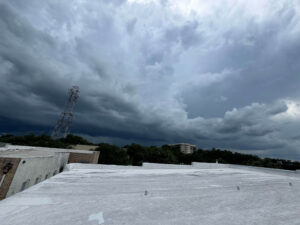
If you manage a commercial property in a hurricane-prone region, understanding when hurricane season occurs could mean the difference between minor repairs and catastrophic losses. Every year, business owners scramble to prepare their buildings—often too late.
Atlantic hurricane season officially runs from June 1 through November 30. But knowing the dates is just the beginning. This guide covers the critical timeline, peak danger periods, and the steps commercial property owners should take to protect their roofing investments before storms arrive.
What Are the Official Hurricane Season Dates?
Hurricane season in the Atlantic begins June 1st and ends November 30th. This six-month window is when conditions in the Atlantic Ocean, Caribbean Sea, and Gulf of Mexico become most favorable for tropical storm development.
For commercial property owners, this timeline creates a clear planning window. The months of April and May represent your best opportunity to complete roof inspections, schedule repairs, and implement storm-protection measures before the season begins.
When Is the Peak of Hurricane Season?
While storms can form any time during the official season, activity follows a predictable pattern. An average season has 14 named storms, seven hurricanes, and three major hurricanes.
The peak of hurricane activity typically occurs in mid-September, around September 10. During August, September, and October, ocean temperatures reach their highest levels, providing the warm water that fuels storm development.
Here’s how activity typically distributes across the season:
Early Season (June–July): Storm formation begins slowly. Systems often develop in the Gulf of Mexico or western Caribbean, giving property owners in Florida and the Gulf Coast less warning time.
Peak Season (August–October): This three-month window produces approximately 90% of major hurricane activity. Storms during this period often form off the African coast and travel across the Atlantic, allowing more time for tracking and preparation.
Late Season (November): Activity decreases but doesn’t stop. Late-season storms sometimes catch property owners off-guard after months of monitoring.
What Factors Influence Hurricane Season Severity?
Several atmospheric and oceanic conditions determine whether a given hurricane season will produce more or fewer storms than average. Understanding these factors helps property managers assess their risk level each year.
Ocean Temperatures: Warmer Atlantic waters provide more energy for storm development. Higher-heat content provides more energy to fuel storm development, while weaker winds allow the storms to develop without disruption.
Wind Shear: Strong upper-level winds can tear apart developing storms. When wind shear is low, more storms survive to reach hurricane strength.
El Niño and La Niña: These climate patterns significantly impact Atlantic hurricane activity. El Niño conditions typically suppress Atlantic hurricanes, while La Niña conditions often enhance activity.
African Monsoon: The strength of the West African monsoon influences how many tropical waves—the seeds of Atlantic hurricanes—move off the African coast.
Each May, the National Oceanic and Atmospheric Administration (NOAA) releases its seasonal outlook, providing predictions for the upcoming hurricane season based on these factors.
How Do Hurricanes Damage Commercial Roofs?
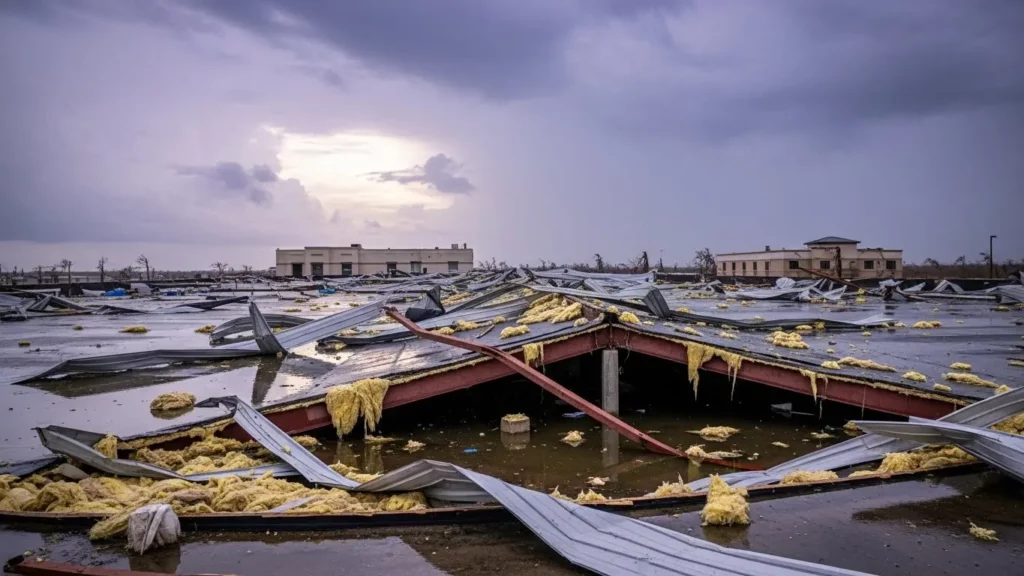
Commercial roofs face multiple threats during hurricanes. Understanding these damage mechanisms helps property owners prioritize protective measures.
Wind Uplift: As wind flows over a building, it creates negative pressure on the roof surface. This upward force can peel back roofing membranes, tear away flashings, and lift entire roof sections. For low-slope membrane roof systems, a minimum safety factor of 1.5 up to 2.0 is recommended by NRCA and is based on ASTM D6630.
Wind-Borne Debris: Flying debris creates punctures and tears in roofing materials. The pool of potential projectiles that can be picked up by hurricane-force winds and turned into wind-borne debris includes roofing materials such as shingles, tiles, and gravel; inadequately attached cladding components such as sheathing and siding; and rocks and tree limbs.
Water Infiltration: Once the roof membrane is compromised, rain enters the building. Even small penetrations can lead to extensive interior water damage, mold growth, and ruined inventory.
Ponding Water: Clogged drains and damaged drainage systems cause water to accumulate on flat commercial roofs, adding weight stress and increasing leak potential.
Quick Facts: Hurricane Season by the Numbers
- Season Duration: 183 days (June 1–November 30)
- Average Named Storms: 14 per season
- Average Hurricanes: 7 per season
- Average Major Hurricanes: 3 per season (Category 3 or higher)
- Peak Activity Month: September
- Costliest Hurricane Damage: Roofing and building envelope failures
What Roofing Materials Best Withstand Hurricanes?
Not all commercial roofing systems perform equally in hurricane conditions. When installing or replacing a roof, material selection significantly impacts storm performance.
TPO and PVC Membranes:
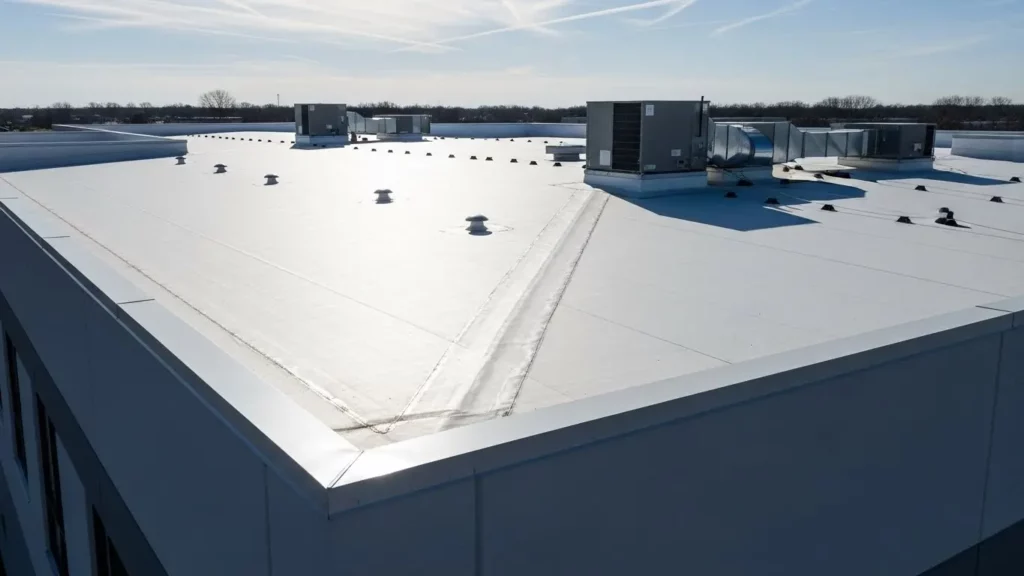
These single-ply membranes offer excellent wind resistance when properly installed with mechanical fastening or full adhesion. Heat-welded seams create continuous waterproof barriers.
Modified Bitumen
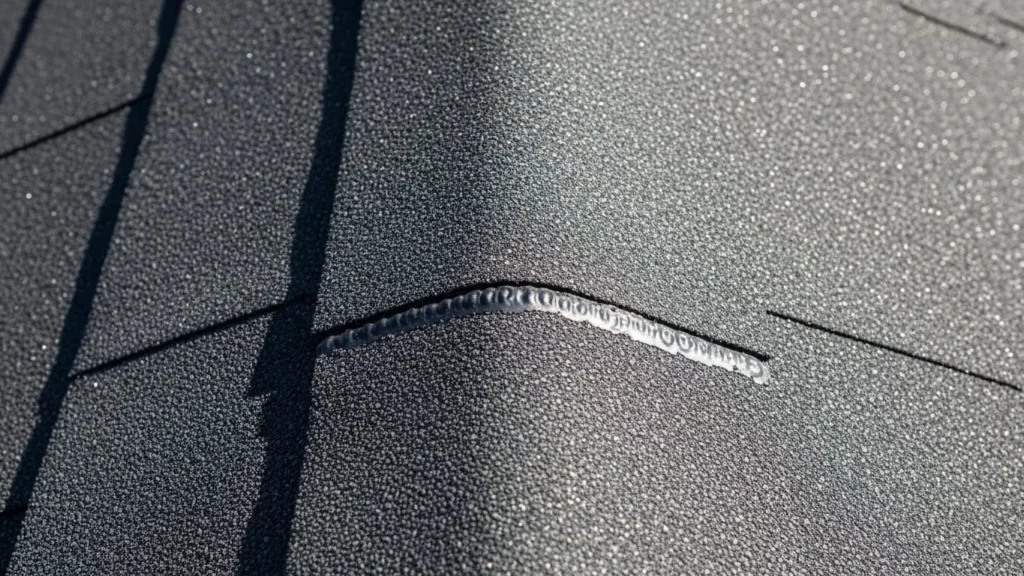
Multi-layer systems provide redundancy. If the top layer sustains damage, lower layers continue protecting the building.
Metal Roofing:
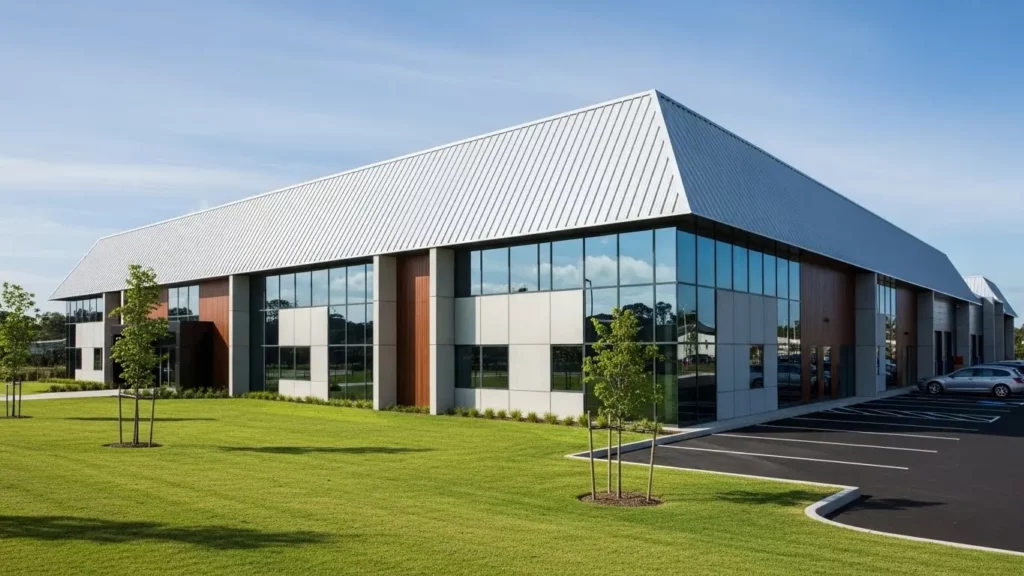
Standing seam metal roofs with concealed fasteners perform well in high winds when properly attached. The interlocking panels resist uplift forces effectively.
Spray Polyurethane Foam (SPF):
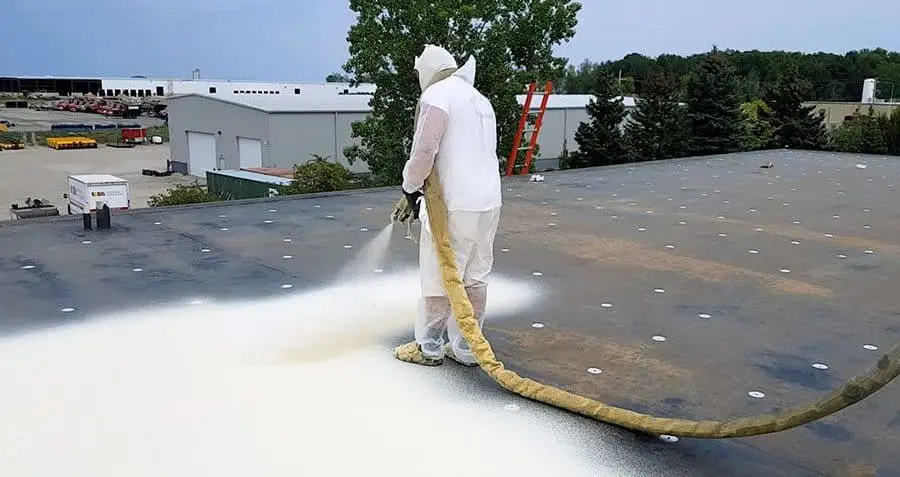
This seamless application adheres directly to the substrate, eliminating edges where wind can gain leverage. SPF systems have demonstrated strong hurricane performance.
The National Roofing Contractors Association (NRCA) provides comprehensive guidelines for wind-resistant roof installation that every commercial property owner should reference when planning roof work.
How Should You Prepare Your Commercial Roof Before Hurricane Season?
Proactive preparation dramatically reduces hurricane damage. Follow this timeline to protect your commercial property.
March–April (Pre-Season Assessment): Schedule a comprehensive roof inspection with a professional commercial roofing contractor. Identify existing problems including loose flashings, deteriorated membranes, and drainage issues.
May (Repairs and Upgrades): Complete all identified repairs before June 1. This includes reattaching loose materials, sealing penetrations, clearing drains, and addressing any structural concerns.
June–November (Ongoing Monitoring): Track storm forecasts throughout the season. When a hurricane threatens, activate your emergency preparation plan:
- Secure or remove loose rooftop equipment
- Clear all roof drains and scuppers
- Document roof condition with photos
- Review your insurance coverage
- Identify your emergency roofing contact
What Should You Do After a Hurricane Passes?
Post-storm action protects your property from secondary damage:
- Conduct a visual inspection from the ground before accessing the roof
- Document all damage with photographs and videos for insurance claims
- Contact your roofing contractor immediately for professional assessment
- Request emergency dry-in services if water infiltration is occurring
- Avoid walking on damaged roof areas that may be structurally compromised
One of the most cost-effective ways to safeguard our communities against natural disasters is to adopt and follow hazard-resistant building codes. This principle applies equally to commercial properties investing in hurricane-resistant roofing systems.
Does Florida Require Hurricane-Resistant Roofing?
Yes. Florida maintains some of the nation’s strictest building codes for wind resistance, particularly in High-Velocity Hurricane Zones (HVHZ) covering Miami-Dade and Broward counties. In 2002, the Florida Building Code was formally adopted, superseding all previous codes following lessons learned from Hurricane Andrew.
Commercial buildings throughout Florida must meet specific wind uplift requirements based on their location and building characteristics. Working with experienced commercial roofing professionals ensures your roof system meets or exceeds these requirements.
Protecting Your Investment Before the Next Storm
Hurricane season returns every year without exception. The question isn’t whether storms will develop, but whether your commercial property will be prepared when they do.
The most effective hurricane protection combines three elements: proper roofing materials, professional installation following current building codes, and regular maintenance throughout the year. Property owners who invest in these fundamentals experience fewer claims, faster recovery, and lower long-term costs.
Don’t wait until a storm enters the Gulf to think about your roof. Contact CES Roofing today to schedule your pre-hurricane season inspection and ensure your commercial property is ready for whatever this season brings. Our Cat 5 Hurricane Proof Roof systems are specifically engineered to protect Florida businesses from the most severe storms.