

When hurricane-force winds threaten your commercial property, every design decision matters. The angle of your roof—known as the pitch or slope—directly affects how wind pressure impacts your building and whether your roof stays intact during severe weather.
For facility managers and property owners in hurricane-prone regions, understanding the relationship between roof pitch and wind resistance can mean the difference between minor repairs and catastrophic damage. This guide breaks down what commercial property owners need to know about selecting and maintaining the right roof pitch for high-wind environments.
What Is the Best Roof Pitch for High Winds?
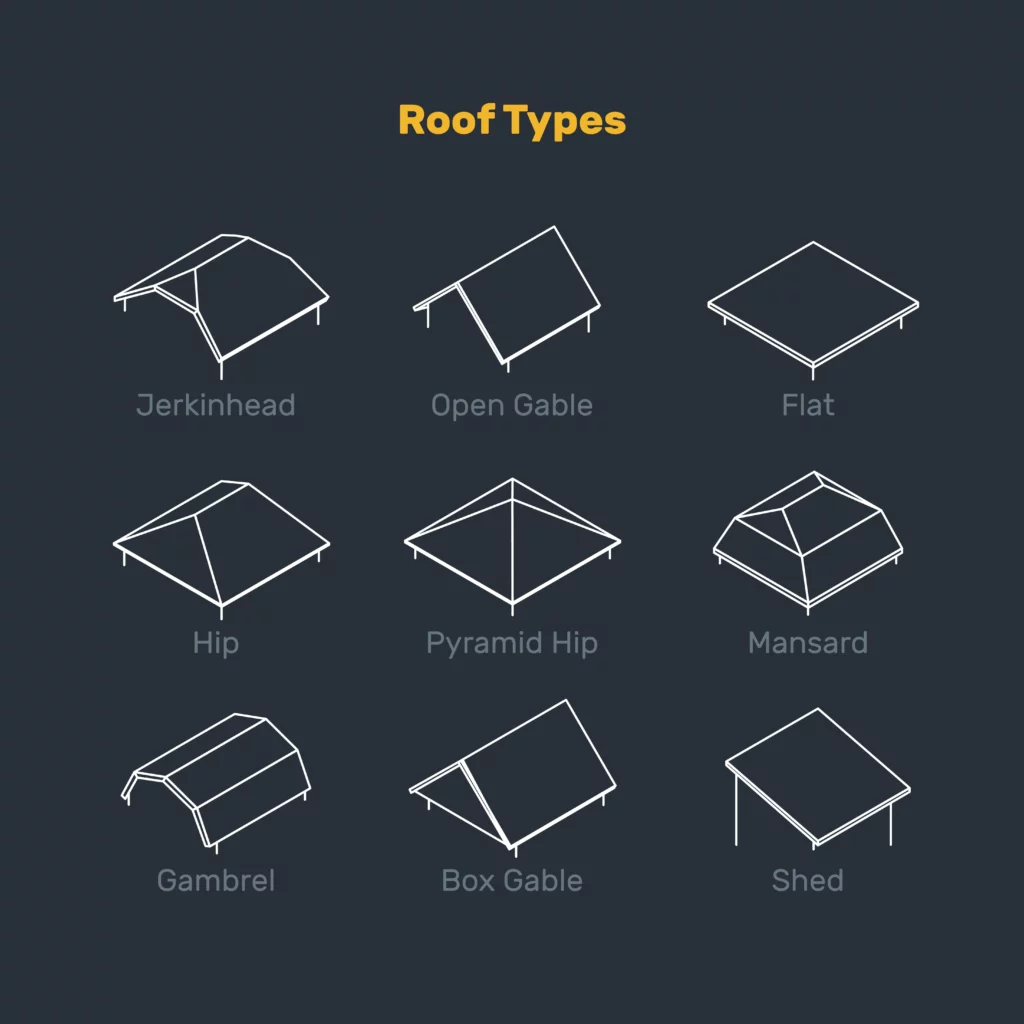
The optimal roof pitch for high-wind resistance is approximately 30 degrees, also expressed as a 7:12 pitch. This measurement means the roof rises 7 inches vertically for every 12 inches of horizontal run.
A 30-degree slope strikes the critical balance between two competing forces. Roofs that are too shallow (less than 20 degrees) experience greater uplift pressure as wind flows over the surface and creates suction. Roofs that are too steep (greater than 45 degrees) act like sails, catching wind and increasing the risk of structural failure.
Research from the New Jersey Institute of Technology confirms that roofs with a 30-degree pitch allow wind to be deflected with minimal pressure on the building structure. This finding has been validated through wind tunnel testing at facilities including the Center for Building Science and Technology in France.
How Does Roof Pitch Affect Wind Resistance?
Understanding wind dynamics helps explain why pitch matters so much for commercial buildings.
Wind Uplift Forces
When wind encounters a building, it doesn’t just push against surfaces—it creates areas of negative pressure that pull upward on roofs. This phenomenon, called wind uplift, is responsible for most hurricane-related roof failures. The pitch of your roof determines how these pressure zones form and where vulnerable points develop.
The Sail Effect
Roofs with steep pitches beyond 45 degrees present large surface areas perpendicular to wind flow. This creates what engineers call the “sail effect,” where wind catches the roof like a boat’s sail and exerts tremendous lateral force. Commercial buildings with excessively steep roofs may experience structural stress that damages not just the roof but also walls and foundations.
Low-Slope Considerations
Many commercial properties feature low-slope or flat roofs for practical reasons, including equipment installation and cost efficiency. While low-slope roofs experience different wind dynamics than steep roofs, they still require proper design and installation to resist uplift forces at edges and corners.
Quick Facts: Roof Pitch and Wind Resistance
- Optimal pitch for hurricanes: 30 degrees (7:12 slope)
- Acceptable range: 4:12 to 6:12 for moderate wind zones
- Danger zones: Pitches below 20 degrees or above 45 degrees increase risk
- Maximum recommended overhang: 20 inches to reduce uplift vulnerability
- Hip roofs reduce uplift by: Up to 40% compared to gable roofs
What Roof Shape Works Best in High Winds?
While pitch matters, roof shape also plays a crucial role in wind resistance. Commercial building owners should consider these factors when planning new construction or major renovations.
Hip Roofs
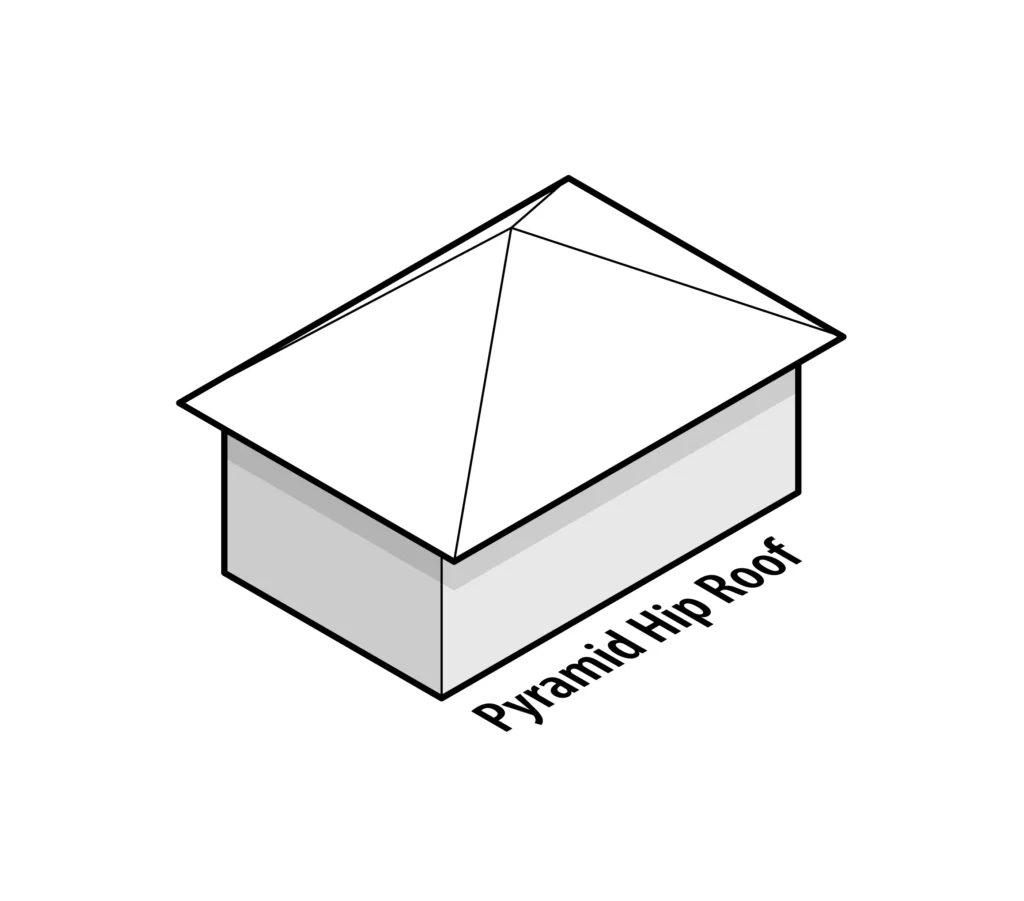
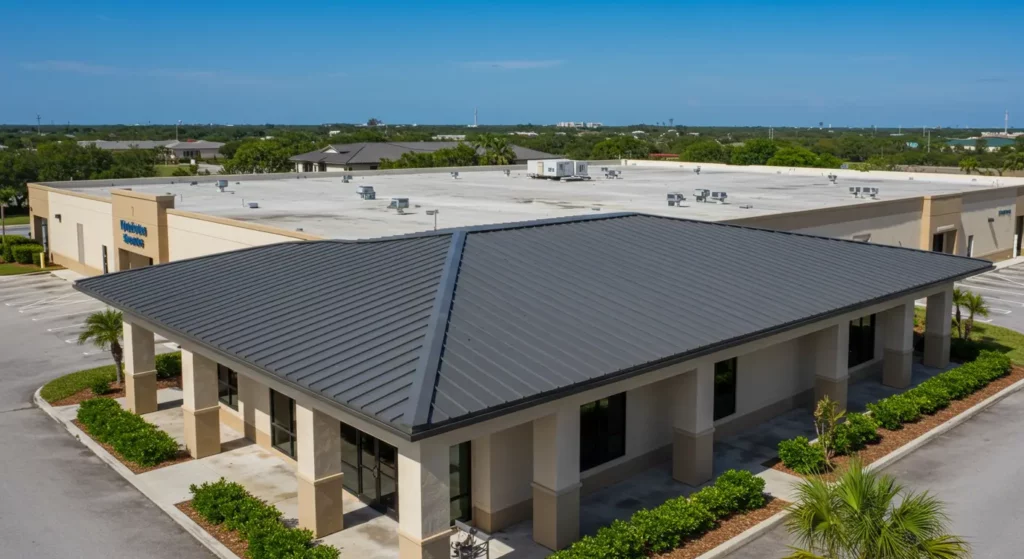
Hip roofs, featuring slopes on all four sides, consistently outperform other designs in hurricane conditions. Their aerodynamic profile allows wind to flow over the surface rather than catching flat surfaces. The pyramid-like structure distributes wind pressure evenly and eliminates the vulnerable gable end walls that frequently fail during storms.
Gable Roofs
Traditional two-sided gable roofs remain common on commercial buildings but present significant wind resistance challenges. The flat triangular end walls catch wind like sails and can collapse under extreme pressure. If your commercial property has a gable roof, structural bracing and reinforcement become essential for high-wind survival.
Low-Slope Commercial Roofs
According to FEMA’s Hurricane and Flood Mitigation Handbook, low-slope membrane roof systems require special attention to edge securement and fastening patterns. Metal edge flashings, copings, and fascia covers must be designed to resist wind uplift according to industry standards like ANSI/SPRI ES-1.
Which Commercial Roofing Materials Resist High Winds?
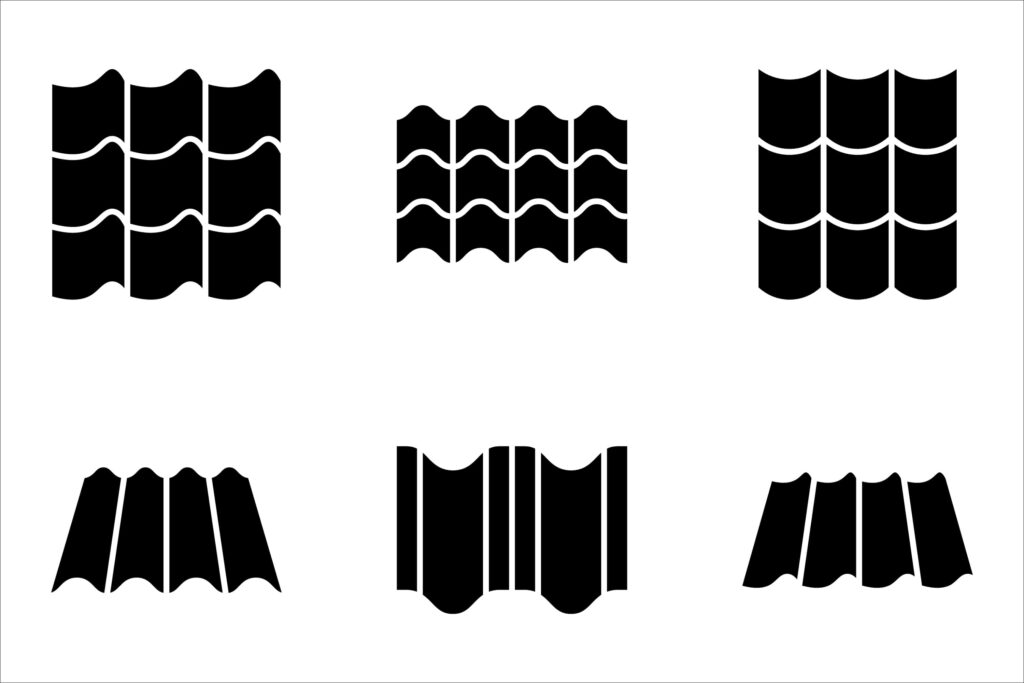
Material selection works alongside pitch and shape to create a wind-resistant roofing system. Each option offers distinct advantages for commercial applications.
TPO and PVC Membranes
Thermoplastic polyolefin (TPO) and polyvinyl chloride (PVC) membranes are widely used on commercial low-slope roofs. Fully adhered installations provide superior resistance to wind uplift compared to mechanically attached systems. These materials have been tested to meet Florida Building Code requirements for wind resistance, impact resistance, and physical properties.
EPDM Rubber Roofing
Ethylene propylene diene monomer (EPDM) roofing systems can withstand winds up to 120 mph when properly installed with reinforced perimeter fastening. Fully adhered rubber systems perform best against wind because the continuous bond prevents wind from getting beneath the membrane.
Modified Bitumen
This multi-layer roofing system provides excellent storm resistance through its combination of asphalt and rubber modifiers. The multiple plies create a robust assembly that resists wind and debris impact.
Metal Roofing
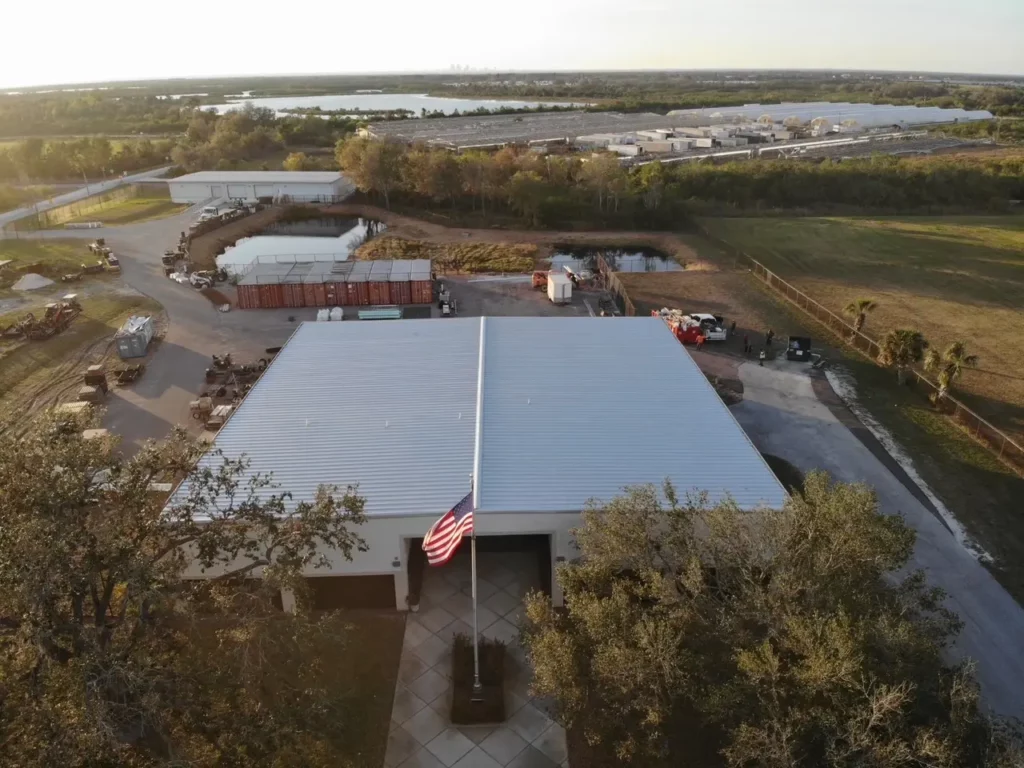
Standing seam metal roofing excels in high-wind environments due to its interlocking panels and concealed fasteners. Metal roofs can withstand hurricane-force winds up to 160 mph and eliminate vulnerable attachment points that wind can exploit. For commercial properties seeking hurricane-proof roofing solutions, metal offers proven durability with proper installation.
What Building Code Requirements Apply?
Commercial buildings in high-wind regions must comply with specific code requirements that affect roof design and installation.
The Florida Building Code mandates that all commercial roofing systems withstand specific wind pressures based on location, building height, and exposure category. High-Velocity Hurricane Zones (HVHZ), including Miami-Dade and Broward Counties, impose even stricter requirements.
The National Roofing Contractors Association (NRCA) recommends applying a safety factor of 1.5 to 2.0 when determining wind uplift resistance for low-slope membrane roof systems. This accounts for variability in material strength, construction quality, and the possibility that actual wind speeds may exceed design specifications.
FM Global’s FM 1-90 rating is a widely recognized benchmark for wind uplift resistance in commercial roofing. Systems meeting this standard provide building owners with greater confidence in severe weather performance.
How Can You Improve Your Existing Roof’s Wind Resistance?
Not every commercial property owner can rebuild from scratch. These measures can improve wind resistance on existing structures.
Hurricane Straps and Connections
Installing hurricane straps or clips at every roof-to-wall connection significantly strengthens the continuous load path from roof to foundation. Florida mandated hurricane ties for all new construction after Hurricane Andrew in 1992, but older buildings may lack these critical connectors.
Edge and Flashing Reinforcement
Wind damage often begins at edges, corners, and ridges where negative pressure is greatest. Reinforcing metal edge flashings with stronger materials and improved connectors reduces the risk of progressive failure that can peel away entire roof sections.
Overhang Reduction
Roof overhangs exceeding 20 inches experience dramatically higher uplift forces. If your commercial building has large overhangs, consider reducing their length or adding structural reinforcement.
Regular Inspections
Routine roof inspections, especially before and after storm season, identify potential vulnerabilities before they lead to failures. Look for loose fasteners, deteriorating flashings, and membrane damage that could worsen under wind stress.
What Should Florida Commercial Property Owners Consider?
Florida’s climate presents unique challenges that affect roof pitch and material decisions.
Hurricane season brings sustained winds that can exceed 150 mph in major storms. The state’s building codes reflect this reality with some of the nation’s strictest requirements for wind resistance.
Heat and humidity also impact roofing materials year-round. UV exposure degrades certain materials faster in Florida’s intense sunlight, while moisture creates conditions for mold growth and structural deterioration. These factors make proper installation and regular maintenance essential regardless of roof pitch.
For Florida commercial properties, working with an experienced commercial roofing contractor ensures your roof system meets code requirements and performs reliably when storms threaten.
Key Takeaways
Selecting the right roof pitch for high winds involves balancing aerodynamic principles with practical building needs. A 30-degree pitch (7:12 slope) offers optimal wind resistance for sloped roofs, while low-slope commercial systems require careful attention to edge securement and membrane attachment.
Beyond pitch, consider roof shape, material selection, and connection strength as part of a comprehensive wind-resistance strategy. Hip roofs outperform gable designs, and modern membrane systems like TPO, PVC, and EPDM provide proven durability when properly installed.
Whether you’re planning new construction, major renovation, or simply want to evaluate your current roof’s wind resistance, professional assessment provides the guidance you need. Contact CES Roofing today for a comprehensive evaluation of your commercial roof system and recommendations for improving storm preparedness.