


• Explore ways to upgrade your roof for improved energy efficiency and potential savings on utilities.
• Understand the significance of professional assistance to ensure proper installation and maximum benefits of roofing upgrades.
• Discover the latest trends in energy-efficient roofing, including materials and techniques that contribute to a sustainable living environment.
Identifying the Need for an Upgrade
When it comes to your commercial property, the roof plays a pivotal role in energy conservation. Warning signs of an inefficient roof can often go unnoticed until they manifest in the form of sky-high energy bills or inconsistent indoor temperatures. If your building seems to struggle with maintaining a steady climate, or your energy expenses are consistently on the rise, it’s prudent to turn your attention to the condition of your roofing system. These indicators are telltale signs that a thorough assessment is in order.
Another aspect to keep a watchful eye on is the physical state of the roof. Visible deterioration, such as cracked insulation or water stains, can signal that heat and cool air are slipping through the cracks, quite literally. Additionally, if your commercial roof is on the older side, it may lack modern energy-efficient materials and designs, which are more adept at managing thermal transfer and have a direct impact on the energy efficiency of the entire building. A comprehensive evaluation by a professional can shed light on these issues.
Stepping onto the roof may reveal more subtle signs of inefficiency. For instance, if the roofing material has lost its reflective properties or if the insulation underneath seems to have compressed over time, these are indicators that your roof’s performance is compromised. In Apopka’s climate, where the sun can be relentless, especially during the fall, a roof that absorbs too much heat can drastically affect internal temperatures and energy consumption. An energy-efficient commercial roofing upgrade can address these concerns, ensuring your roofing material reflects rather than absorbs heat, maintaining a comfortable internal environment with lower energy costs.
Consulting the Professionals
Knowing when to seek professional help is crucial for a successful upgrade. If you’ve noticed your energy bills climbing despite normal usage, it’s time to consult with the experts in commercial roofing. These seasoned technicians not only bring a wealth of knowledge about energy-efficient materials and methods but also understand the unique challenges and opportunities presented by the Apopka climate. They’ll help customize an energy-efficient solution tailored to your building’s specific needs.
When selecting a roofing contractor, it’s essential to choose one with a solid reputation and proficiency in energy conservation strategies. This decision is pivotal, as your contractor will be your guide through the selecting and installing of materials that offer the best thermal performance for your investment. By partnering with a trusted professional, you ensure that every step of your roofing upgrade process is sound, from the initial assessment to the final installation. The right expertise can lead to significant energy savings and a reduced carbon footprint for your establishment.
Material Matters in Energy Efficiency
Every building manager or owner should know that the materials used in your roof can make a significant impact on its overall energy efficiency. Energy-efficient upgrades often involve installing highly reflective roofing membranes, such as TPO or PVC, which can repel the sun’s heat instead of absorbing it. This characteristic alone can contribute to a marked decrease in the need for air conditioning, especially in warmer climates where the sun is relentless, like Florida’s fall season.
Insulation also plays a key role in conserving energy. Upgrading to high-quality insulation materials can prevent energy loss and help maintain a stable interior temperature. Discuss options like polyiso or EPS insulation boards with your roofing contractor—they’ve been shown to significantly improve your roof’s R-value, which measures resistance to heat flow. A well-insulated roof is one of the most cost-effective measures you can take to upgrade your building’s energy efficiency.
Step 1: Assess Your Current Roofing Situation
Begin by evaluating your commercial roof’s current condition. Look for signs of wear and tear, such as damaged insulation, moisture penetration, or energy inefficiency. Understanding the current state of your roof is crucial for planning your energy-efficient upgrade.
Step 2: Consult with a Roofing Expert
Contact a qualified roofing contractor specializing in energy-efficient solutions, like CES Commercial Roofing in Apopka, FL. They will help you identify the best upgrades for your specific roof and geographical location.
Step 3: Explore Energy-Efficient Materials
Learn about the different materials that enhance energy efficiency. Reflective roofing membranes, such as TPO or PVC, and additional insulation options can significantly reduce cooling costs by reflecting sunlight and providing better thermal performance.
Step 4: Consider Insulation Upgrades
Improve your roof’s insulation to minimize heat transfer. Discuss with your contractor the benefits of installing polyiso or EPS insulation boards, which can greatly enhance your roof’s R-value and contribute to overall energy savings.
Step 5: Install a Cool Roof Coating
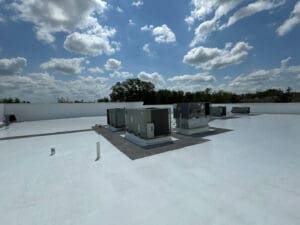
A cool roof coating is a reflective layer applied over your existing roof. It reflects sunlight and absorbs less heat than standard roofing, leading to lower energy use and improved occupant comfort inside the building.
Step 6: Opt for Green Roofing Solutions
If appropriate for your facility, consider installing a green or living roof. This upgrade includes layers of vegetation that contribute to insulation, reducing energy costs and providing an eco-friendly space.
Step 7: Implement Energy-Saving Additions
Incorporate additional features like skylights and solar panels to harness natural light and renewable energy. These enhancements work with your energy-efficient upgrades to maximize cost savings and sustainability.
Step 8: Schedule Regular Maintenance
After upgrading your commercial roof, establish a routine maintenance plan. Regular inspections and maintenance ensure that your energy-efficient roofing system continues to operate at optimal performance levels and helps extend its lifespan.
Common DIY Mistakes to Avoid
Embarking on energy-efficient roofing upgrades can be a complex process. While some aspects can be handled through diligent DIY efforts, certain missteps can lead to compromised efficacy, or worse, damage to your roof. Awareness and avoidance of these pitfalls are crucial for ensuring the integrity and performance of your commercial roofing.
Mistake 1: Ignoring Professional Assessments
– Many business owners may skip a professional evaluation in an attempt to save costs. However, proper detection of all the subtleties of wear and tear often requires an expert eye. By forgoing a thorough inspection by qualified roofing professionals like those at CES Commercial Roofing, one risks overlooking critical issues that could nullify the efficiency of any upgrades.
Mistake 2: Choosing The Wrong Materials
– Deciding on roofing materials without considering the specific climate and building needs is another frequent error. Materials that work well in one region may not be suitable for the unique Florida weather. It’s essential to choose materials like reflectivity-optimized TPO or PVC membranes based on expert recommendations to ensure the best thermal performance and longevity.
Mistake 3: Inadequate Insulation Installation
– Proper insulation is a cornerstone of energy-efficient roofing, yet it’s often installed incorrectly by DIYers. Insulation must be applied uniformly and without gaps to prevent heat transfer effectively. Inaccurate installation can lead to energy loss and even moisture problems, which is why discussing insulation options with a specialist and ensuring correct installation are imperative.
Mistake 4: Overlooking Regular Maintenance
– The final common error is neglecting consistent maintenance post-upgrade. Regular maintenance checks are vital for sustained energy savings and to avoid the gradual decline in roofing performance. Based on a schedule advised by professionals, ongoing inspections are necessary to ensure the roofing system consistently saves energy and avoids unexpected repair costs.
Advanced Energy-Saving Features and Maintenance
Once you have the foundational elements of energy-efficient roofing in place, it’s wise to consider advanced energy-saving features. Adding skylights and solar panels harnesses natural light and renewable energy, reducing reliance on artificial lighting and lowering electricity costs. These installations not only complement your efficient roofing materials but bring you one step closer to a greener and more sustainable property.
To keep your energy-efficient roofing system in top condition, routine maintenance is key. Scheduled check-ups can extend the lifespan of your roof and ensure it remains effective at conserving energy. Regular professional maintenance can spot potential issues early, preventing costly repairs and energy waste down the line.
In effort to ensure your roofing upgrade maximizes energy efficiency and savings, engaging with professionals can make a significant difference. For the most current updates and examples of our work, visit us through our social media page and our Google profile.
Our team is ready to assist with inspections, repairs, and full commercial roof projects. Contact us today to get started!