Why Silicone Roof Coatings Are a Smart Business Investment
Investing in your commercial roof isn’t just about protecting your building – it can also provide significant tax advantages. Changes to the Internal Revenue Code have made it easier for businesses to deduct the cost of certain property upgrades, including many roof improvements. In this guide we explain how Section 179 works, explore how silicone roof coatings qualify, and show how working with CES Roofing can help you maximize your savings.
What is Section 179?
Section 179 is a provision of the U.S. tax code that allows businesses to deduct all or a portion of the cost of qualifying property in the year it is placed in service rather than depreciating it over many years. The deduction was originally designed for equipment and machinery but the Tax Cuts and Jobs Act (TCJA) expanded it to cover certain improvements to non‑residential real property. The IRS notes that qualified real property includes improvements to roofs, HVAC systems, fire‑alarm systems and security systems. Publication 946 clarifies that “Section 179 property” now includes roofs and other improvements placed in service after the building was first placed in service.
In practical terms, Section 179 lets a business deduct the full cost of eligible purchases (within a limit) in the year the equipment or improvement is installed and used. To qualify, the property must be used more than 50 % for business in the year it’s placed in service.
How Section 179 Applies to Commercial Roofing
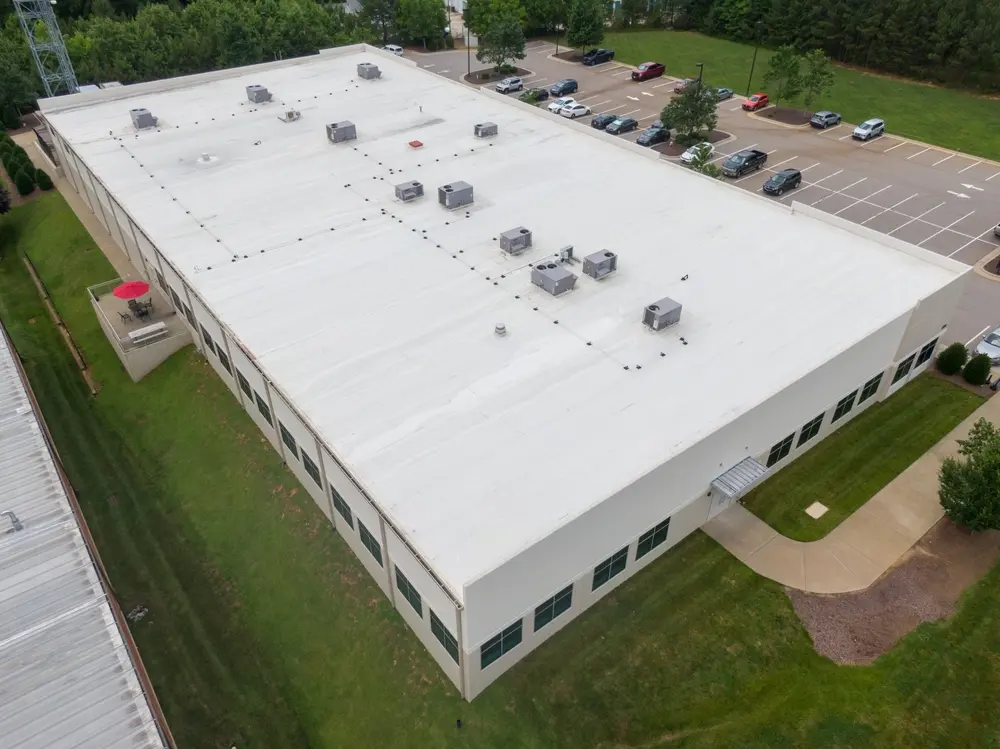
The TCJA amended the definition of qualified real property to include commercial roofing improvements. Under current tax laws, businesses can deduct the full cost of qualifying roofing work – including roof replacements, waterproofing and complete roof installations for non‑residential buildings – in the year the roof is placed in service. This means that rather than depreciating a roof over 39 years, you can expense a new roof or qualifying coating immediately (subject to the deduction limit).
The deduction doesn’t apply to every type of roofing expense. Maintenance and repairs that don’t materially improve or extend the life of the roof aren’t eligible for the Section 179 deduction. Additionally, the property must be purchased – leased property usually doesn’t qualify – and must be used mainly for business. For complex cases, you should work with a tax professional to ensure that your planned roofing project qualifies.
Deduction Limits and Phase‑Outs
Section 179 isn’t unlimited. For tax years beginning in 2024 (filed in 2025), the maximum deduction is $1,220,000 and the phase‑out threshold begins at $3,050,000. If your qualifying purchases exceed the phase‑out amount, the deduction is reduced dollar‑for‑dollar. For example, Block Advisors explains that if a business spends $3.27 million on qualifying property, the deduction is calculated as:
$1.22 M − ($3.27 M – $3.05 M) = $1.00 M
These limits adjust for inflation each year, so check the latest figures before making large capital investments. Keep in mind that the deduction cannot exceed your business’s taxable income – any unused portion may be carried forward to future years.
Why Silicone Roof Coatings Qualify
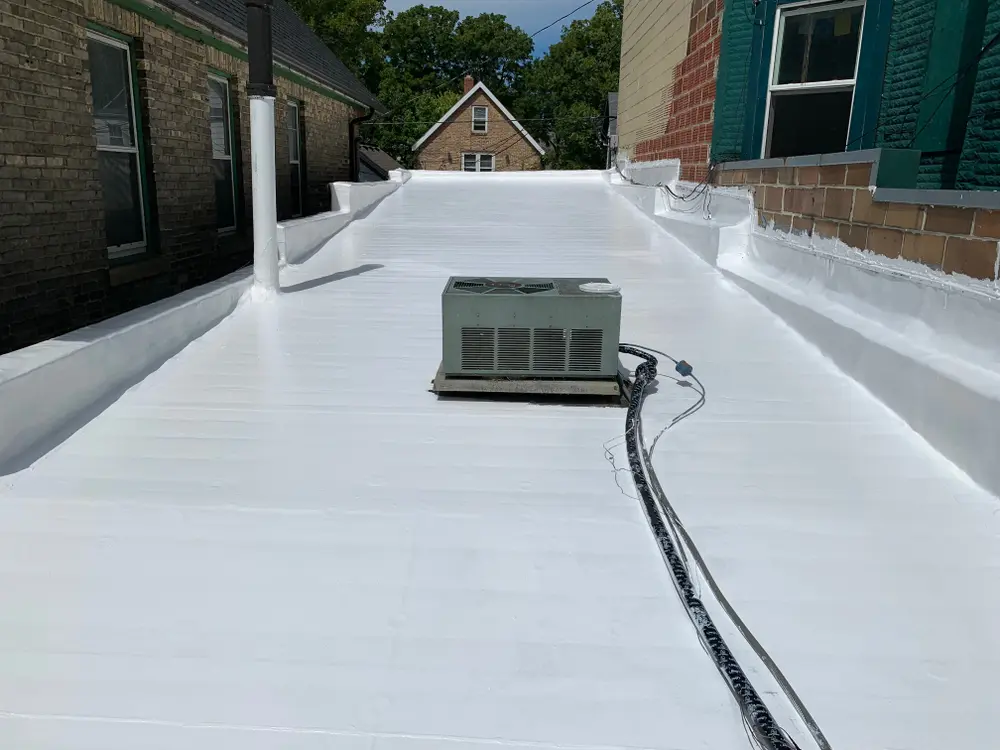
Silicone roof coatings are a form of roof improvement. The TCJA expanded Section 179 eligibility to include improvements to non‑residential real property such as roofs, heating, ventilation and air‑conditioning systems. Because a high‑performance coating extends the life of an existing roof and improves energy efficiency, it qualifies as an improvement rather than ordinary maintenance.
CES Roofing’s silicone and elastomeric coatings create a seamless, reflective barrier that enhances performance and helps control energy costs. These coatings provide waterproofing, energy‑efficient solutions and cost‑effective maintenance, helping to extend the lifespan of your existing roof. Reflective, UV‑resistant coatings reduce heat absorption, lower cooling costs and prolong roof lifespan. These features make silicone coatings an attractive option when you want to improve your roof without the expense of a full replacement—and because they qualify under Section 179, you may be able to deduct the entire cost in the year it’s applied.
Additional Benefits of Silicone Coatings
- Waterproof Protection: Silicone creates a seamless membrane that seals leaks and prevents moisture damage.
- Energy Efficiency: Highly reflective coatings reduce heat absorption and lower energy bills.
- Durability: Silicone and elastomeric coatings resist UV radiation and extreme temperatures, extending roof life and reducing maintenance costs.
- Environmental Impact: By extending the existing roof’s life, coatings minimize waste and reduce the carbon footprint associated with full roof replacements.
Maximizing Your Savings with CES Roofing
Working with an experienced roofing contractor ensures your project meets both performance and tax requirements. CES Roofing offers free inspections and can help you determine whether a roof coating or a full commercial roof restoration is the best option. If you’re considering a silicone coating, explore our roof coating services to see how our waterproof and energy‑efficient solutions can protect your property.
For buildings needing more extensive work, our commercial roof restoration program addresses leaks, insulation and structural issues without the cost of a complete replacement. We also provide specialized energy‑efficient coatings that reduce HVAC loads and prolong roof life.
Check out our blog for additional insights into roof maintenance and industry trends.
Important Considerations
While Section 179 offers substantial tax benefits, it has important qualifications:
- Use a Tax Professional: The regulations are complex and change often. A qualified tax advisor can confirm that your roof improvement qualifies and help you file the necessary forms (e.g., IRS Form 4562).
- Plan Ahead: Section 179 requires that the property be placed in service during the tax year, so schedule your project early to ensure timely completion.
- Monitor Spending: If you expect to invest more than the phase‑out threshold, consider staging projects over multiple tax years to maximize deductions.
- Maintain Compliance: Keep detailed records of purchase dates, service dates and costs, and retain receipts and contracts.
Section 179 presents a unique opportunity to improve your commercial roof and recoup the investment through accelerated tax deductions. By choosing silicone roof coatings or other qualifying improvements, you can enhance performance and energy efficiency while potentially deducting the full cost in the same tax year. CES Roofing combines industry‑leading materials with expert installation to ensure your roof meets both performance and tax‑qualification criteria.
Ready to take advantage of Section 179? Contact CES Roofing for a free assessment and learn how roof coating, commercial roof restoration and energy‑efficient coatings can help protect your business and reduce your tax liability.
For more details on the deduction, review the IRS guidance on qualified improvements or the Block Advisors explanation of Section 179.