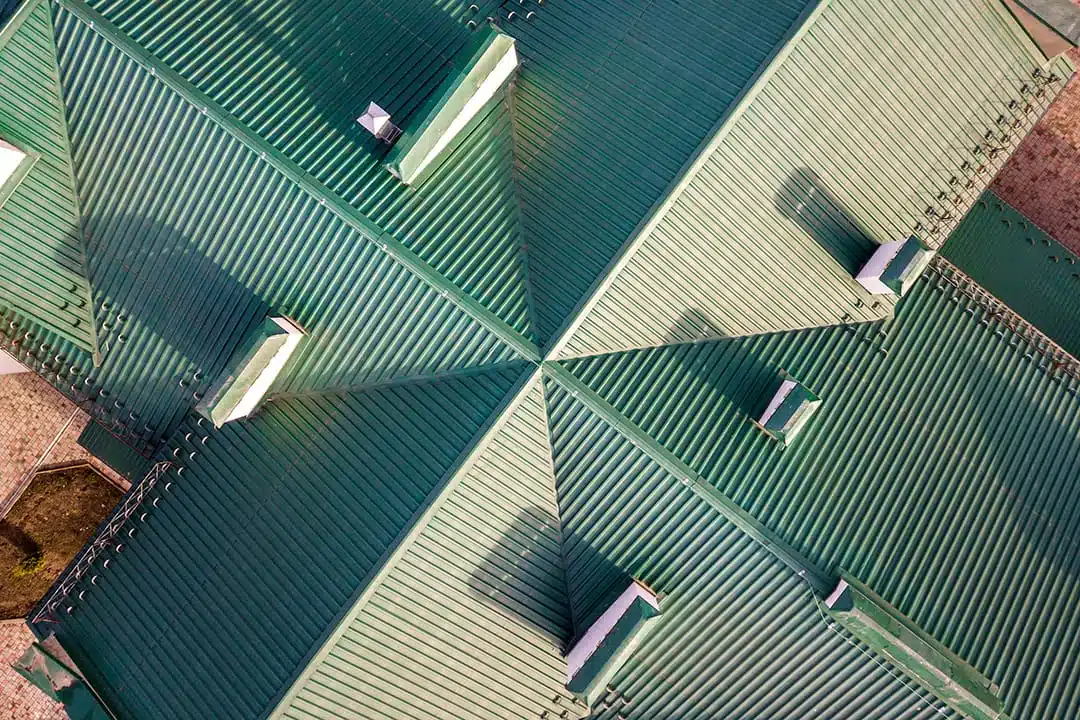
Implementing Wind Resistant Solutions
Proactive steps toward implementing wind resistant features on your commercial roof are no longer just advisable; in Tarpon Springs, they are a necessity. Employing **aerodynamic designs** and innovative retrofitting can dramatically enhance a building’s ability to deflect violent winds. Such measures not only boost the long-term durability of your roof but also contribute to overall building stability. Importantly, these upgrades can be feasible investments as they may reduce insurance premiums and potential future repair costs. By considering the aerodynamic optimizations available, property owners can take significant strides in protecting their assets from unpredictable weather.
Strategies to Consider
Among the strategies available, some stand out for their effectiveness and feasibility. **Sealed roof edges** can dramatically improve resistance to wind uplift, addressing one of the primary points where wind can compromise a roofing system. Employing top-quality sealants and ensuring that flashing is properly installed further bolsters a roof’s defense mechanisms. Reflective roof coatings offer the dual benefit of energy efficiency and additional waterproofing, while simultaneously resisting wind damage by maintaining the integrity of the roof’s surface. By integrating these techniques, the risk of expensive wind damage can be greatly mitigated, providing a sound return on investment.
In concluding, a thoughtful and thorough approach to improving your commercial roof’s wind resistance is well worth the investment, particularly in the turbulent climate of Florida’s summer season. Establishing a relationship with a credible roofing partner who understands both the challenges of the local environment and the nuances of building codes is imperative. CES Commercial Roofing exemplifies such expertise, providing comprehensive roofing services tailored to enhancing wind resistance. As we move forward into another intense summer, now is the time to assess and act upon the windproofing needs of your commercial property, ensuring safety, compliance, and peace of mind for years to come.
The Critical Role of Wind Resistance in Commercial Roofing
As businesses in Tarpon Springs well know, the protection a commercial roof provides is only as effective as its resistance to the fierce winds that can accompany Florida’s stormy weather. A robust, reliable roofing system isn’t just a building feature; it’s a cornerstone of your business’s resilience. It protects not only the physical assets within your premises but also the safety of the employees and customers who walk through your doors. However, the integrity of that shield can be severely tested when the gales of a Florida summer storm are upon us. **Timely preparations and improvements in wind resistance can spell the difference between a minor inconvenience and a catastrophic failure.**
In the face of such threats, the topic of wind resistance improvement for commercial roofs becomes not just a matter of routine maintenance, but a critical imperative. Tarpon Springs is no stranger to the tumultuous conditions brought on by hurricane season. Businesses are hard-pressed to respond to ever-evolving challenges – whether it’s upgrading existing structures or ensuring new constructions are built to the highest of standards. For those operations within these wind-prone zones, the season’s peak serves as a stark reminder of nature’s capacity to disrupt. Engage with this issue now, prior to the stormy warning sings, to secure not only your roofing investment but your peace of mind as well.
This brings us to a vital intersection of concern and opportunity. For owners and facility managers, the question isn’t just how to achieve this level of protection, but also how to ensure such measures are both effective and sustainable. Moreover, the complexity of wind dynamics necessitates an approach that goes beyond the conventional. **Considering all aspects of your commercial roof’s design, from the materials used to the craftsmanship of its installation, is paramount in withstanding the imposing forces of nature.** Remain vigilant and informed, and take proactive steps today to fortify your establishment’s defenses for the many Julys to come.
Implementing Wind Resistant Solutions
Proactive steps toward implementing wind resistant features on your commercial roof are no longer just advisable; in Tarpon Springs, they are a necessity. Employing **aerodynamic designs** and innovative retrofitting can dramatically enhance a building’s ability to deflect violent winds. Such measures not only boost the long-term durability of your roof but also contribute to overall building stability. Importantly, these upgrades can be feasible investments as they may reduce insurance premiums and potential future repair costs. By considering the aerodynamic optimizations available, property owners can take significant strides in protecting their assets from unpredictable weather.
Strategies to Consider
Among the strategies available, some stand out for their effectiveness and feasibility. **Sealed roof edges** can dramatically improve resistance to wind uplift, addressing one of the primary points where wind can compromise a roofing system. Employing top-quality sealants and ensuring that flashing is properly installed further bolsters a roof’s defense mechanisms. Reflective roof coatings offer the dual benefit of energy efficiency and additional waterproofing, while simultaneously resisting wind damage by maintaining the integrity of the roof’s surface. By integrating these techniques, the risk of expensive wind damage can be greatly mitigated, providing a sound return on investment.
In concluding, a thoughtful and thorough approach to improving your commercial roof’s wind resistance is well worth the investment, particularly in the turbulent climate of Florida’s summer season. Establishing a relationship with a credible roofing partner who understands both the challenges of the local environment and the nuances of building codes is imperative. CES Commercial Roofing exemplifies such expertise, providing comprehensive roofing services tailored to enhancing wind resistance. As we move forward into another intense summer, now is the time to assess and act upon the windproofing needs of your commercial property, ensuring safety, compliance, and peace of mind for years to come.
Insights From The Experts
Tip 1:
Consider retrofitting your existing commercial roof with wind-resistant features. Enhancements such as edge metal systems or upgrading the roofing membrane can significantly improve a roof’s ability to withstand high winds.
Tip 2:
Choose materials certified for wind resistance. Products like high-grade metal roofing or modified bitumen that have passed wind uplift resistance testing offer assurance against hurricane-force winds, ensuring compliance with local building codes.
Tip 3:
Regular inspections and maintenance are crucial. Even the most durable roofs can succumb to wind damage over time, so frequent professional assessments can help identify and resolve any issues before they compromise wind resistance.
Tip 4:
Incorporate aerodynamic design principles when installing new commercial roofs. Features such as tapered insulation systems promote wind deflection and can ease the strain on your building’s roof during a severe weather event.
Tip 5:
Stay informed about local building code updates. Tarpon Springs roofing regulations are subject to change, especially after notable weather events, so partnering with a knowledgeable contractor will ensure your roof’s wind resistance stays up-to-code.
Expert Insights on Wind-Resistant Roofing
What specific features make a commercial roof wind-resistant?
Wind-resistant commercial roofs typically include reinforced roofing membranes, secure edge fastenings, and impact-resistant materials, all designed to mitigate against wind uplift and debris damage.
How can regular maintenance improve a commercial roof’s wind resistance?
Regular maintenance ensures that potential weak points, such as loose flashing or damaged membranes, are identified and repaired, maintaining structural integrity against high winds.
Are there particular roofing materials recommended for areas prone to hurricanes like Tarpon Springs?
For hurricane-prone areas like Tarpon Springs, materials like metal roofing, single-ply membranes, and built-up roofs are recommended due to their proven durability and resistance to high winds.
What are the building code requirements for commercial roofs’ wind resistance in Florida?
Florida’s building code requires commercial roofs to withstand wind loads appropriate to their regions, with stricter requirements in high-velocity hurricane zones, including mandatory inspections and certifications.
How does aerodynamic design influence the wind resistance of commercial roofing systems?
Aerodynamic design reduces wind load on the roof by directing airflow smoothly over the roof surface, thereby minimizing the chances of uplift or damage during high wind events.