Cool roofs have emerged as an important energy‑efficiency and climate‑resilience strategy. For property owners in warm regions like Tampa, Florida, a cool roof can make buildings more comfortable, cut energy bills and even reduce the urban heat island effect.
Tampa, FL experiences a humid subtropical climate where maximum daytime temperatures range from a very warm 33 °C (91 °F) in August to a pleasant 21 °C (70 °F) in the coolest month, January, with nights dropping to about 11 °C (52 °F). The city’s average annual maximum temperature is roughly 28 °C (82 °F), meaning cooling demand dominates for much of the year.
What Is a Cool Roof?
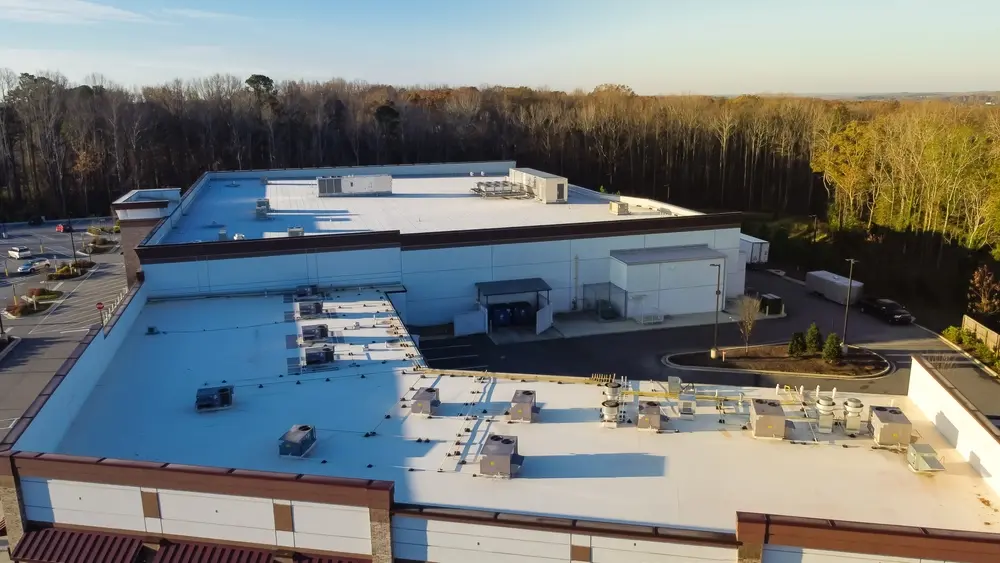
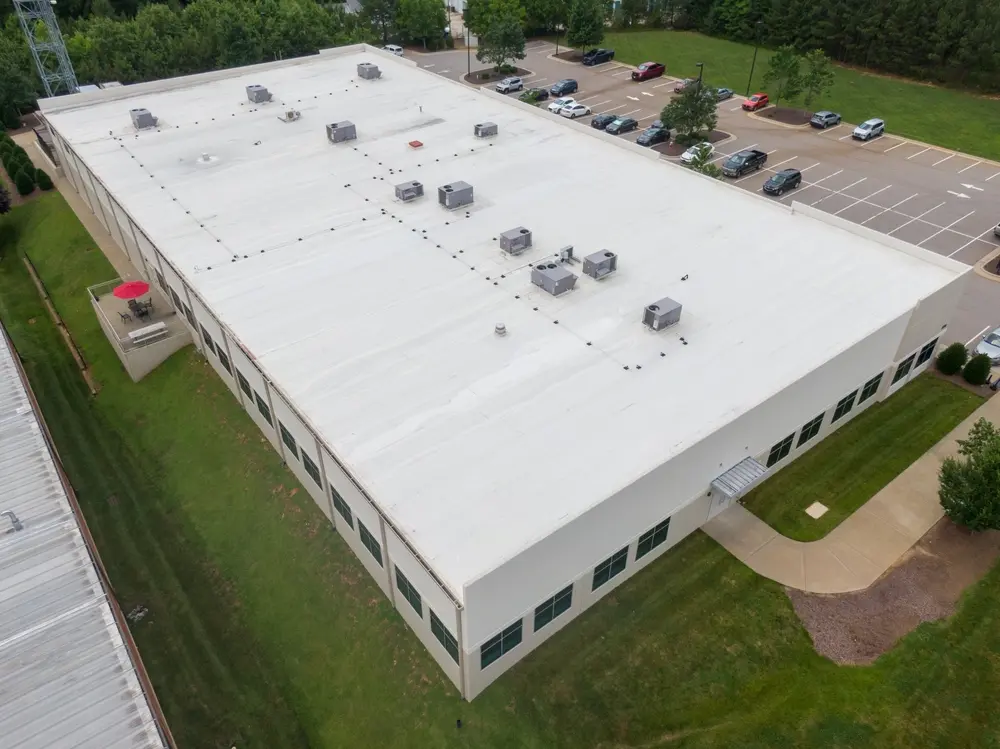
A cool roof is a roofing system that stays significantly cooler in the sun than a conventional roof. According to the U.S. EPA, a cool roof “absorbs and transfers less heat from the sun” because it has a high solar reflectance (albedo) and high thermal emittance. ENERGY STAR notes that such roofs either reflect more sunlight or emit heat more effectively, so they lower the surface temperature and decrease the amount of heat transmitted into the building.
Traditional dark roofs may reach 150 °F (66 °C) on a warm sunny day. By contrast, a clean white cool roof that reflects 80 % of sunlight can stay around 50 °F (28 °C) cooler than a gray roof that reflects only 20 %. High reflectance and high emittance are measured on a scale from 0 to 1, and the higher the values, the cooler the roof.
Key Metrics
Two material properties determine roof temperature:
- Solar Reflectance (SR) – the fraction of sunlight that a surface reflects. A surface that reflects 55 % of sunlight has SR = 0.55. Dark roofing materials typically reflect only 5–20 % of incoming sunlight, while light‑colored materials reflect 55–90 %.
- Thermal Emittance (TE) – the ability of a material to release absorbed heat as infrared radiation. Most non‑metal surfaces have high emittance (0.80–0.95), while shiny metals have low emittance.
The Solar Reflectance Index (SRI) combines these two values into a single number that indicates how hot a surface will get in the sun. An SRI of 100 represents a clean white surface; black roofs often have SRI below 20. SRI is especially helpful for comparing products across different materials and is referenced in building codes and certification programs.
Typical Minimum Cool‑Roof Requirements
The California Energy Commission’s Title 24 standards (often used as benchmarks in other states) specify minimum aged values for cool roofs. The table below summarizes typical requirements. Roofs can qualify either by meeting both the aged solar reflectance and thermal emittance thresholds or by meeting the minimum SRI. (A lower slope is <9.5° or ≤2:12 pitch; a steep slope is steeper.)
| Roof type | Aged solar reflectance | Aged thermal emittance | Aged SRI (alternative) |
| Low‑sloped roofs | ≥ 0.55 | ≥ 0.75 | ≥ 64 |
| Steep‑sloped roofs | ≥ 0.20 | ≥ 0.75 | ≥ 16 |
Source: adapted from the Department of Energy Guidelines for Selecting Cool Roofs.
Building codes, green building programs and rebate schemes often adopt similar thresholds. Some organizations, including the Cool Roof Rating Council, define a cool roof as having aged solar reflectance ≥ 0.63 and aged thermal emittance ≥ 0.75, or an aged SRI ≥ 75.
How Do Cool Roofs Work?
A cool roof reduces heat flow into a building by reflecting solar radiation and emitting heat. Because less heat is stored in the roof, the building stays cooler, which reduces the need for air conditioning. The EPA reports that in air‑conditioned residential buildings, a cool roof can reduce peak cooling demand by 11–27 % and lower indoor temperatures by 2.2–5.9 °F (1.2–3.3 °C). In non‑air‑conditioned buildings, lowering indoor temperatures improves comfort and can protect occupants from heat‑related illnesses.
During winter, a cool roof may reflect some solar heat that would otherwise help warm the building. This “heating penalty” is usually small in warm or temperate climates. The EPA notes that factors such as the sun’s lower angle in winter, shorter days and snow cover reduce the penalty, and insulation can further offset it. Research from the Metropolitan Area Planning Council (MAPC) suggests that in regions like New England, any heating penalty is typically outweighed by summer savings and is becoming less important as winters get milder.
Types of Cool Roofs and Materials
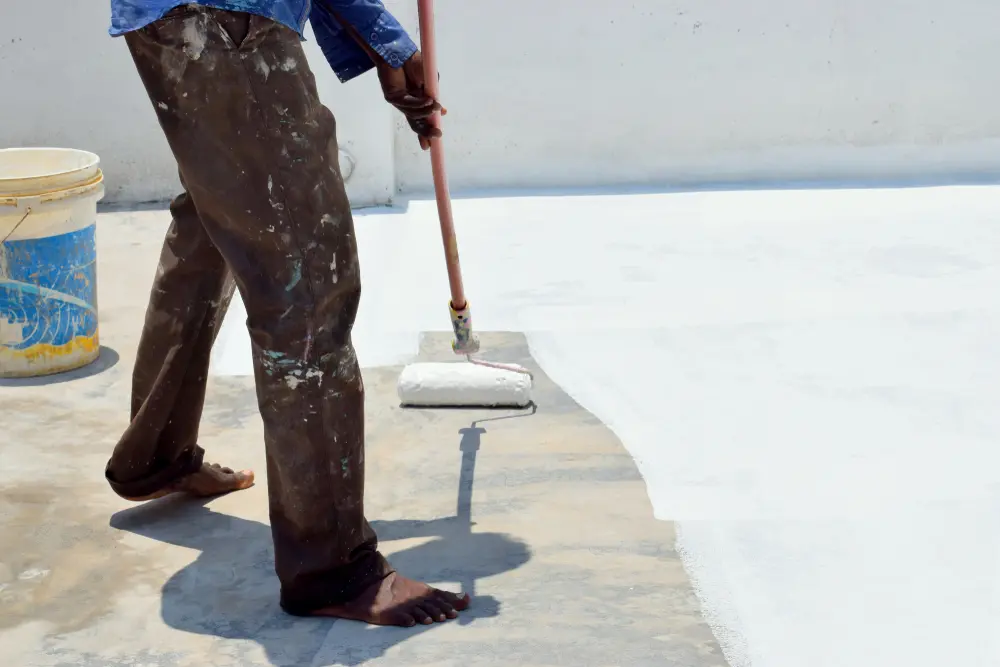
Cool roofs are not limited to white paint. Many materials and systems can achieve high reflectance and emittance. Understanding the options helps you select the right system for your building and climate.
Coatings vs. Coverings
- Coatings – These are reflective paints or elastomeric membranes applied over existing roofs. ENERGY STAR lists elastomeric, silicone, acrylic, polyurethane and asphalt emulsion coatings. They are relatively easy to install (often rolled, brushed or sprayed) and can be applied to metal, asphalt, concrete or single‑ply membranes. Coatings are cost‑effective but may require periodic re‑application and cleaning to maintain reflectivity.
- Coverings – Cool coverings include reflective shingles, tiles or metal panels designed for new construction or roof replacement. They usually cost more than coatings but are more durable. Reflective shingles and tiles come in various colors; special pigments or granules increase solar reflectance.
Common Cool‑Roof Materials
- Single‑ply membranes – Prefabricated sheets (e.g., TPO or PVC) with light‑colored pigments are popular for commercial low‑slope roofs.
- Fluid‑applied membranes and coatings – Used on low‑slope metal or bitumen roofs; they are applied in liquid form and cure to form a reflective barrier.
- Asphalt shingles and granulated membranes – Shingles coated with light or cool granules can meet cool‑roof standards. They often have aged SRI values between 14 and 34.
- Tiles (clay or concrete) – Terra cotta and other tiles can be naturally reflective or coated with reflective glazes; aged SRI values for tiles range from 4 to 91.
- Metal roofing – Metal shingles or panels coated with reflective paints or granular surfaces can achieve aged SRI values between 20 and 90. However, bare, shiny metals have low thermal emittance, so coatings are usually required.
- Green or vegetated roofs – Although not as reflective, vegetated roofs provide insulation, storm‑water retention and ecosystem benefits; they are sometimes grouped under the broader category of “cool roofs”.
If you’re evaluating roofing options for a commercial property and want to balance performance with cost, look at this detailed comparison: Cost-Effective Roofing: Comparing TPO with Other Commercial Roofing Options.
Do Cool Roofs Have to Be White?
No. The MAPC notes that cool roofs come in a variety of colors and materials. While lighter colors generally perform better, manufacturers now offer “cool” dark‑colored coatings and shingles using reflective pigments. An example shows that cool dark shingles with SRI around 0.41–0.48 still reflect significantly more sunlight than traditional dark shingles (SRI ≈ 0.04–0.33). Choosing colors can help maintain architectural aesthetics while still providing energy benefits.
Benefits of Cool Roofs
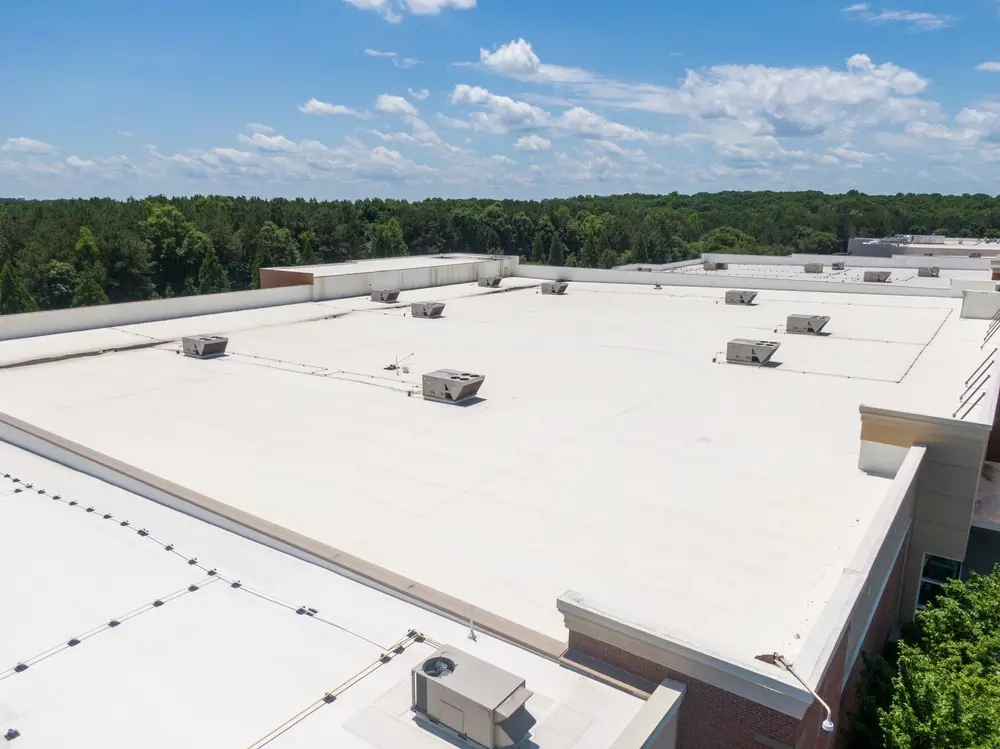
Energy and Economic Benefits
- Reduced cooling demand – Lower roof temperatures translate into less air‑conditioning use. EPA data indicate that cool roofs can reduce peak cooling demand by 11–27 %. The Environmental and Energy Study Institute (EESI) reports that typical roofs can be 50–90 °F hotter than ambient air, whereas cool roofs may be only 10 °F hotter, lowering indoor temperatures and cutting air‑conditioning use by up to 15 % in single‑story buildings.
- Extended roof service life – By reducing thermal stress and ultraviolet degradation, cool roofs slow material aging. IIBEC notes that lower surface temperatures may extend roof life and improve insulation performancei.
- Improved rooftop equipment performance – Cooler roof surfaces can enhance the efficiency of rooftop solar panels and HVAC units.
- Financial incentives – Many utilities and states offer rebates, loans or tax credits for cool roof installations. Some building codes require cool roofs for new construction or re‑roofing projects.
Environmental and Health Benefits
- Urban heat‑island mitigation – By reflecting sunlight and lowering surface temperatures, cool roofs can reduce ambient air temperatures. Studies cited by the EPA show that citywide adoption of cool roofs can lower peak temperatures and may offset 18 % of heat‑related mortality during heat waves.
- Lower greenhouse‑gas emissions – Reducing air‑conditioning use decreases power plant emissions. The EESI estimates that a white roof of 1,000 ft² can offset ten tons of CO₂ over 20 years and that whitening all eligible urban flat roofs could prevent 24 gigatonnes of CO₂ emissions.
- Better air quality – By lowering urban temperatures, cool roofs can reduce the formation of heat‑dependent pollutants like ground‑level ozone. Cooler indoor and outdoor temperatures also reduce heat‑related illnesses.
Drawbacks and Considerations
- Heating penalty – In cold climates, reflecting sunlight may increase heating needs. However, the penalty is often offset by summer savings. MAPC notes that milder winters and snow cover further reduce the penalty. In Palm Harbor’s hot, humid summers and mild winters, the benefits generally outweigh the costs because cooling demand is much greater than heating demand.
- Glare – Highly reflective surfaces can produce glare. IIBEC lists increased glare as a potential disadvantagei, though good design and material choice can mitigate it.
- Condensation and moisture – In humid or cool climates, condensation can form under cool roofs if vapor retarders are not properly installed, and lower surface temperatures can keep surfaces wet longeri. Proper detailing and drainage are critical.
- Maintenance – Coatings must be kept clean to maintain reflectivity; periodic washing may be necessary. MAPC recommends limiting foot traffic, delineating paths for HVAC maintenance and cleaning debris.
- Installation and cost – Some cool roofing systems, particularly coverings, have higher upfront costs. However, energy savings, extended roof life and incentives can offset these costs over time.
Selecting, Installing and Maintaining a Cool Roof
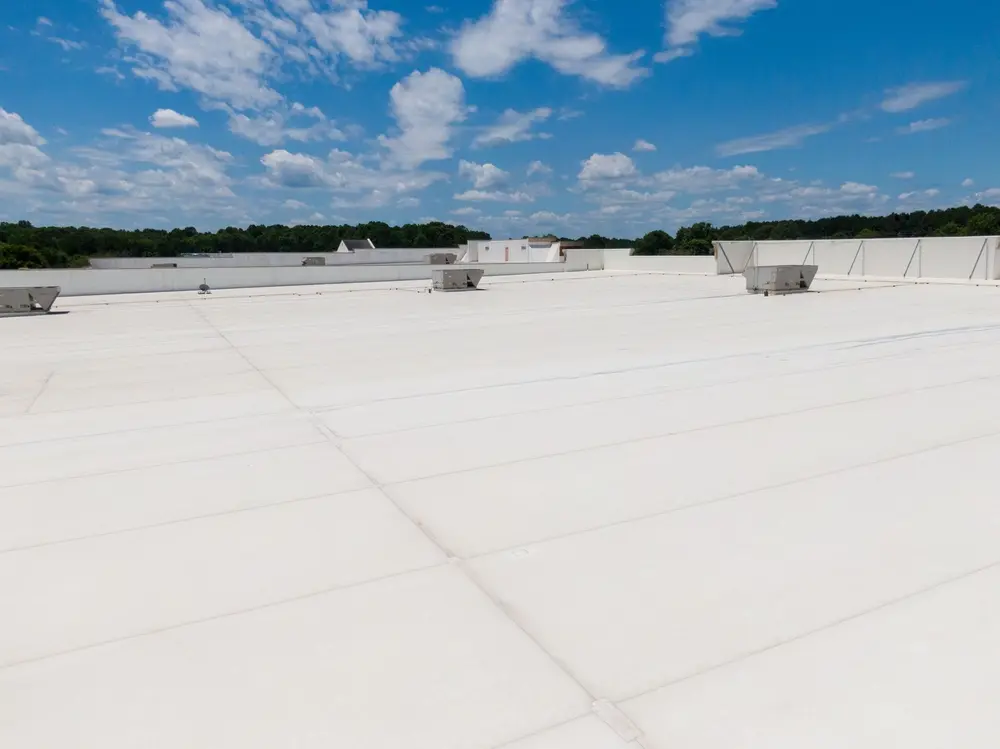
- Assess your climate and building – Cool roofs produce the greatest benefits in hot, sunny climates and on buildings with low roof insulation. Determine whether your building has high cooling loads or occupant comfort issues.
- Check local codes and incentives – Many cities and states require or encourage cool roofs through building codes (e.g., California Title 24) or provide rebates. Florida’s building codes do not universally mandate cool roofs, but some utilities and municipalities in the state offer rebates or loan programs; always check local regulations and incentives for Palm Harbor.
- Use certified products – The Cool Roof Rating Council (CRRC) rates roofing products for solar reflectance, thermal emittance and SRI. Only CRRC‑rated values are recognized for compliance in California. Consult the CRRC directory to find products with the required performance.
- Choose the right system – Consider the roof’s slope, existing condition and budget. Coatings work well for retrofits but require maintenance; coverings are ideal for new roofs or replacements.
- Hire qualified professionals – Proper installation is essential. Designers should evaluate potential condensation, ventilation and structural considerations. IIBEC emphasises that the designer of record should consider the effect of a cool roof on the entire building enclosurei.
- Maintain the roof – Keep the surface clean, inspect for damage and reapply coatings when needed. Maintenance preserves reflectivity and ensures longevity.
When selecting roofing for commercial buildings in Florida, it’s important to weigh durability, energy efficiency, and cost. For a comprehensive guide, check out this resource: Choosing the Best Roofing Materials for Commercial Buildings in Florida.
Cool roofs are more than just white paint — they represent a suite of technologies that reflect sunlight, emit heat and keep buildings cooler. By understanding key metrics (solar reflectance, thermal emittance and SRI), selecting appropriate materials and following best practices, building owners in Palm Harbor and beyond can reduce energy costs, extend roof life and contribute to a cooler, healthier environment.
If you’re exploring solutions to reduce energy costs and extend the life of your building, check out the energy-efficient coatings offered by CES Roofing. Learn more about their commercial restoration services here → CES Roofing — Energy Efficient Coatings.