

• Understand the urgency: Learn the immediate steps to take after your commercial roof sustains storm damage, ensuring a swift and coordinated response to prevent further harm.
• Explore professional solutions: Discover the benefits of choosing a professional roofing service for repairs or replacement, which guarantees safety, efficiency, and compliance with building codes.
• Embrace proactive measures: Gain insights into preventative strategies and regular maintenance tips to protect your commercial roof against future storm damage and minimize downtime.
Recognizing the Red Flags of Storm Damage
In the aftermath of a storm in Brandon, FL, commercial property owners face the critical task of evaluating the extent of roof damage. Visible distress signals, such as missing sections of roofing or pockets of standing water, can indicate urgent problems that need immediate attention. It’s also essential to look at the less obvious symptoms of damage, such as slight bends in metal roofing or dislodged flashing that could compromise the roof’s integrity. Documenting every abnormality with detailed photographs creates a valuable record that will streamline subsequent repair processes.
Ensuring Safety Before Roof Inspection
Before attempting to inspect the roof, the foremost priority is to ensure safety. Commercial building owners should only proceed if it’s entirely safe to access the roof, keeping a keen eye on potential hazards such as loose debris or compromised roof structures. If the situation seems precarious, professional help should be enlisted without hesitation—it’s not worth risking personal safety. For those who can safely navigate the structure, proper gear like non-slip footwear, sturdy gloves, and protective headgear are non-negotiable essentials.
Limiting the Impact of Water Ingress
Persistent leaks can aggravate storm damage, making timely mitigation efforts crucial in protecting the integrity of the commercial structure. Applying a waterproof tarp over affected areas is an effective interim solution to prevent further water intrusion until repairs can commence. The tarp needs to be securely fastened to withstand possible winds and to cover the damaged sections properly. This step not only minimizes immediate damages but also acts as a safeguard against potential structural weaknesses that could emerge from ongoing exposure to the elements.
Selecting a Qualified Roofing Professional
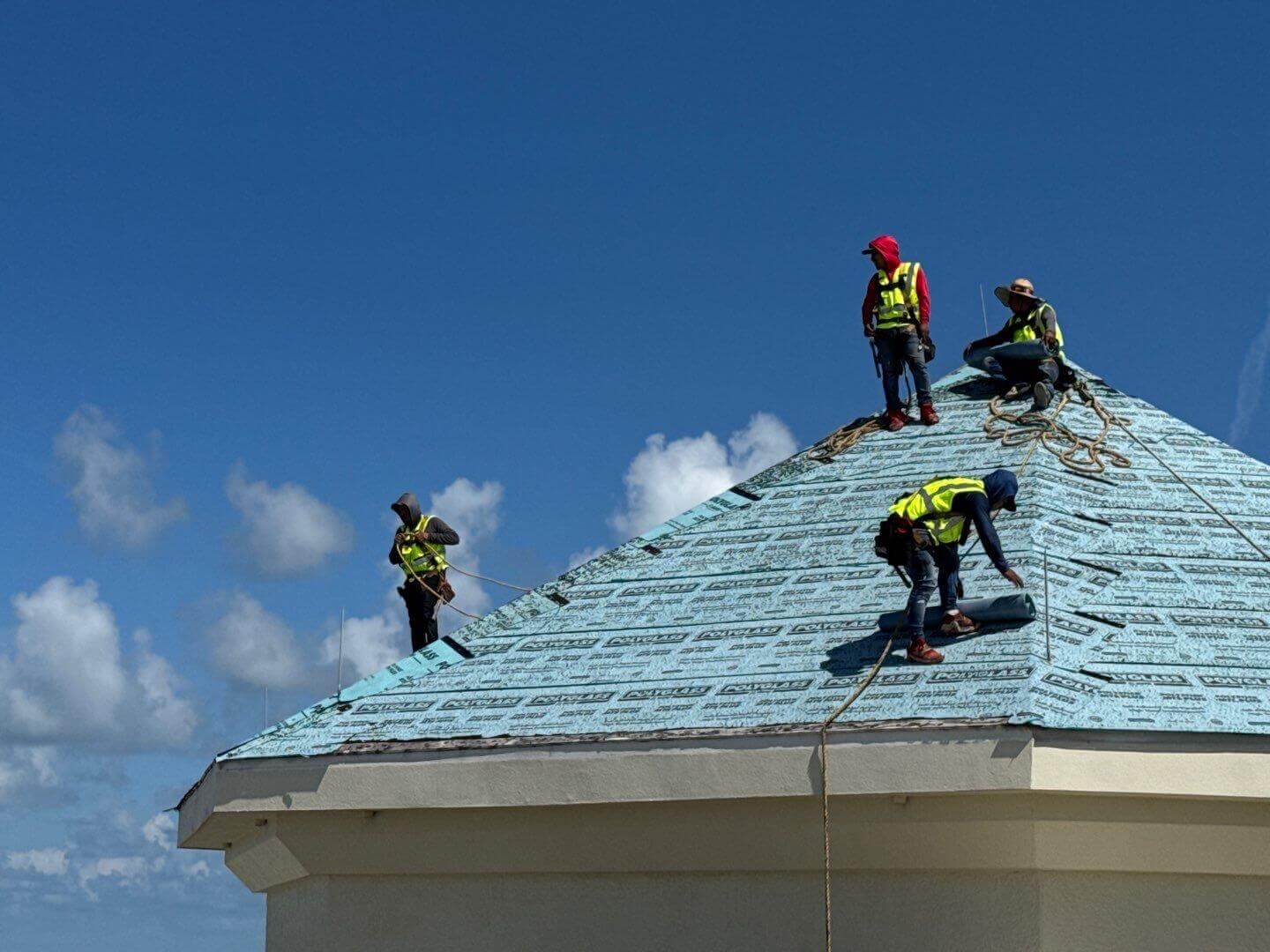
Once the initial damage assessment is complete, the next critical step is to select a certified roofing contractor with experience in commercial restoration after a storm. It’s not just about repairing the damage but fortifying the roof against future adverse weather conditions. CES Commercial Roofing, based in Brandon, FL, has a track record of providing robust commercial restoration services suited to the local climate challenges. Place your trust in a contractor that understands the specifics of Florida’s weather patterns and has the expertise to address them effectively.
Understanding and Navigating Insurance Claims
Dealing with insurance companies can be a daunting task, especially in the high-stress period following storm damage. Knowledge of your insurance policy and the coverage it provides for storm-induced damage is indispensable for a smooth claims process. Make sure to have a comprehensive review of your policy to demystify the terms and ascertain eligibility for roof replacement or repair coverage. When you file your claim, be meticulous with the details and submit the necessary photos and damage reports that you’ve compiled to ensure prompt and fair compensation.
Step 1: Assess the Damage
Begin by carefully inspecting your commercial roof for any visible signs of storm damage. Look for torn or missing shingles, dents on metal roofing, or punctures in the roofing material. Document all damage with photos for future reference and insurance claims.
Step 2: Prioritize Safety
Ensure that it’s safe to access the roof; otherwise, consult a professional. If you can proceed, wear appropriate safety gear such as non-slip shoes, gloves, and a helmet. Do not attempt to conduct repairs in bad weather or if the roof structure is compromised.
Step 3: Mitigate Further Damage
To prevent additional water damage, cover any exposed areas with a waterproof tarp. Secure the tarp properly; it’s a temporary solution until a professional can perform repairs.
Step 4: Contact a Professional Roofing Contractor
Reach out to a licensed contractor who specializes in commercial storm damage for an official assessment and to discuss repair options. Make sure they have experience in the type of roofing system your property has.
Step 5: Understand Your Insurance Policy
Review your insurance policy to understand the coverage for storm damage. Identify what is required for filing a claim, such as the time frame and documentation.
Step 6: File an Insurance Claim
Contact your insurance provider to initiate a claim. Provide all necessary documentation, including photos of the damage and a report from the roofing contractor.
Step 7: Schedule the Roof Replacement
Once your claim is processed, schedule the roof replacement with a trustworthy commercial roofing contractor. Prioritize quality materials and workmanship to ensure longevity and durability against future storms.
Step 8: Implement Preventative Measures
After the replacement, work with the roofing contractor to install preventative measures like proper drainage systems, wind mitigation features, and regular maintenance checks, to reduce the likelihood of future storm damage.
Steering Clear of Common DIY Roof Repair Missteps
In the ambition to quickly resolve storm damage, property owners sometimes leap into DIY repairs without fully comprehending the complexities involved. This well-intentioned haste can lead to further damage and increased costs down the line. CES Commercial Roofing witnesses these errors frequently and aims to arm you with knowledge to avoid such pitfalls.
Mistake 1: Underestimating the Extent of Damage
Often, property owners will notice surface damage like missing shingles but overlook underlying issues such as water infiltration or structural weakening. To avoid this, perform a thorough inspection or hire a professional to ensure no damage goes unnoticed.
Mistake 2: Ignoring Safety Protocols
Disregarding safety can lead to serious injury, particularly when working at heights or with damaged structures. Always prioritize safety by using the proper gear and knowing your limits; if in doubt, consult a professional.
Mistake 3: Improper Use of Temporary Fixes
Failing to properly secure tarps or making hasty repairs can lead back to the same problems or worse. Temporary measures should be solid and secure while you plan for permanent repairs with a specialist.
Mistake 4: Delaying Professional Consultation
Waiting too long to contact a contractor can exacerbate roof damage, complicating the repair process. Early professional assessments post-storm can save time and money in the long term.
Mistake 5: Misinterpreting Insurance Policies
Misunderstanding your coverage can result in out-of-pocket expenses or rejected claims. Review your policy carefully and discuss it with your agent to clarify what is covered.
Mistake 6: Skimping on Quality for Quick Fixes
Opting for the fastest or cheapest repair can result in lower quality work that won’t stand up to the next storm. Investing in quality materials and craftsmanship ensures your roof’s longevity and dependability.
Mistake 7: Neglecting Preventive Measures
Overlooking the importance of ongoing maintenance and preventive measures leaves the roof vulnerable to future storms. Partner with CES Commercial Roofing for regular maintenance that can help mitigate storm damage before it happens.
Coordinating Repair and Replacement Schedules
Post-storm recovery involves not just repairing the damage but also planning for a thorough roof replacement if necessary. CES Commercial Roofing offers comprehensive commercial installation services that accommodate the specific needs and schedules of businesses in the Brandon area. Timing is critical, and prompt scheduling ensures your commercial activities resume with minimal disruption.
Strengthening Your Roof Against Future Storms
Beyond repairing the immediate damage, it’s essential to consider long-term protective strategies for your commercial roof. Incorporating preventive measures, like regular maintenance and repairs, can significantly reduce future storm damage susceptibility. Ces Roofing professionals can advise on the best preventative techniques, ensuring your commercial premises remain robust no matter what the weather brings.
Our team is ready to assist with inspections, repairs, and full commercial roof projects. Contact us today to get started!